

AI in Everyday Life: 10 Real Examples and How to Keep Your Data Safe
March 23, 2026Online Casino Reviews Australia
April 3, 2026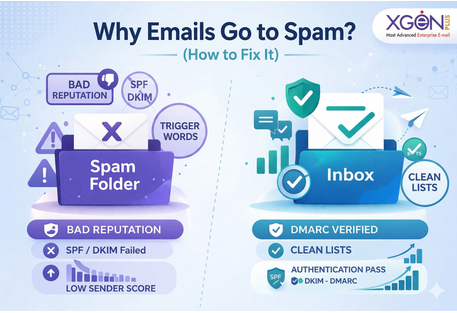
Why Do Your Emails Go to Spam? (And How to Fix It)
March 30, 2026
Introduction
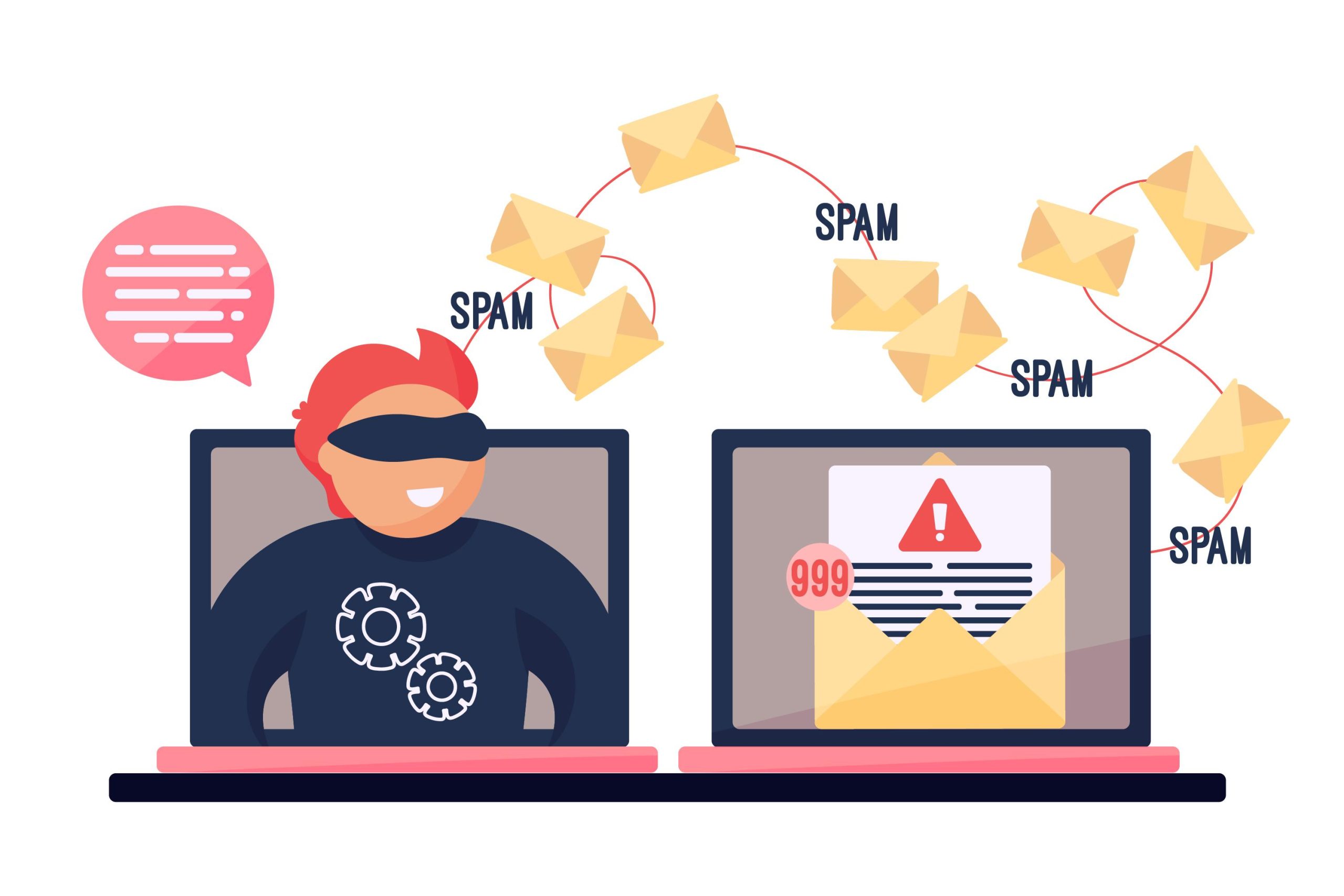
No openings. No replies. No conversions. It feels like your campaign failed, but the reality is more frustrating. Your email didn’t get ignored; it never even made it to the inbox. It quietly landed in the spam folder, where most emails are deleted within seconds.
This is one of the most common yet invisible problems in professional communication. You might be doing everything right, writing great content, targeting the right audience, and sending at the right time. But if your emails don’t reach the inbox, none of it matters. Your efforts go unnoticed, and your results suffer.
What Does It Mean When Emails Go to Spam?
Inbox vs Spam — What’s the Difference?
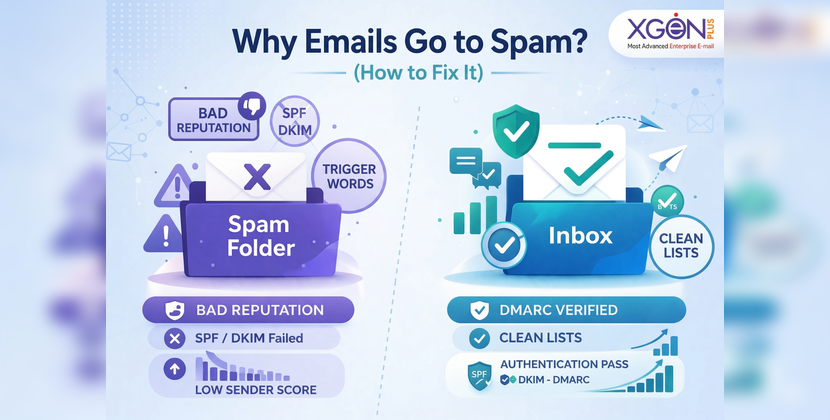
The inbox is where emails that are trusted and relevant are delivered, while the spam folder is reserved for emails that appear suspicious or unwanted. Email providers use advanced filtering systems to decide where each email should go. These systems evaluate multiple signals before making a decision. If your email does not meet their standards, it is automatically redirected. This process happens instantly without any human involvement.
These filters analyze:
- Sender reputation
- Email content
- User engagement
- Technical setup
If anything seems off, your email is flagged and redirected to spam. This decision happens instantly, without any manual review. Once your emails consistently land in spam, it becomes harder to recover. That’s why understanding this difference is critical for long-term email success.
Why Email Deliverability Matters
Email deliverability determines whether your emails actually reach your audience’s inbox. It is one of the most important factors in email marketing success. Without proper deliverability, even well-crafted emails fail to generate results. This directly impacts engagement, conversions, and revenue. Simply sending emails is not enough; you need them to be seen.
Poor deliverability leads to:
- Low open rates
- Missed opportunities
- Reduced ROI
- Weak brand trust
Even a strong campaign fails if it never reaches the user. This directly impacts your business growth and communication effectiveness. For professionals, high deliverability builds trust and credibility. It ensures your message reaches the right audience at the right time.
Top Reasons Why Your Emails Go to Spam
1. Missing Email Authentication (SPF, DKIM, DMARC)
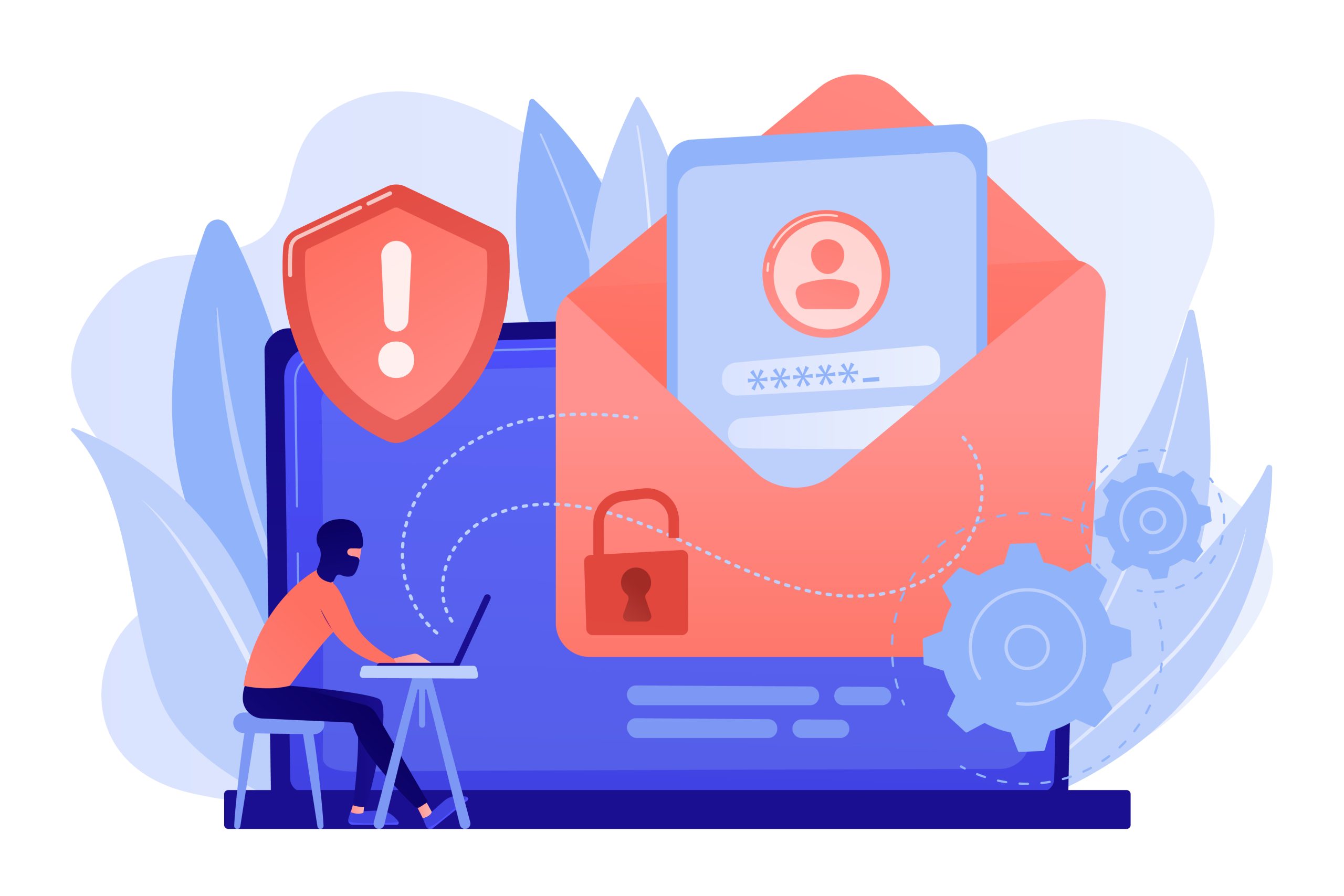
Email authentication protocols act as a verification system that confirms your emails are legitimate. Without SPF, DKIM, and DMARC, receiving servers cannot trust your emails. This makes your messages appear suspicious or even fraudulent. As a result, they are more likely to be filtered into spam. Authentication is a critical foundation for email deliverability.
These protocols work as:
- SPF → Authorizes sending servers
- DKIM → Verifies message integrity
- DMARC → Defines handling rules
If these are not set up correctly, your emails are more likely to be flagged. Proper authentication is essential for building trust with email providers.
2. Spammy Subject Lines
Subject lines are one of the first elements analyzed by spam filters when processing your email. If they appear overly promotional or manipulative, they can trigger spam detection instantly. Words that create unnecessary urgency or unrealistic expectations often raise red flags. Excessive capitalization and emojis also reduce credibility. A weak subject line can harm both deliverability and engagement.
Common red flags include:
- Words like “FREE”, “URGENT”
- Excessive punctuation (!!!)
- ALL CAPS text
- Too many emojis
A subject line should feel natural and relevant. When it aligns with user expectations, it improves both deliverability and engagement.
3. Sending to Cold or Purchased Email Lists
Sending emails to users who have not opted in can severely damage your sender reputation. Purchased lists often contain outdated or irrelevant contacts who are unlikely to engage. These users may ignore your emails or mark them as spam. This creates negative signals that email providers take seriously. Over time, this reduces your chances of reaching the inbox.
This leads to:
- High spam complaints
- Low engagement rates
- Increased bounce rates
These recipients may ignore your emails or mark them as spam. This behavior negatively affects your sender reputation and reduces future deliverability.
4. Low Engagement Rates
Engagement is a strong indicator of how valuable your emails are to recipients. When users do not open or interact with your emails, it signals low relevance. Email providers use this data to decide where your emails should be placed. Consistently low engagement can push your emails into spam folders. Improving engagement is essential for maintaining trust.
Negative signals include:
- Low open rates
- No clicks
- No replies
- Quick deletions
Over time, this reduces your chances of landing in the inbox. Improving engagement requires better targeting and personalization.
5. Inconsistent Sending Patterns
Irregular sending behavior can make your emails appear suspicious to email providers. Sudden spikes in email volume after long periods of inactivity raise concerns. These patterns are often associated with spam activity. Consistency helps build trust and stability over time. A predictable sending schedule is always more effective.
Common issues:
- Sudden spikes in volume
- Long inactivity periods
- No domain warm-up
Consistency is important for building trust. A predictable sending pattern shows that you are a reliable sender.
6. Poor Email Content & Formatting
The quality of your email content and formatting directly impacts deliverability. Poorly structured emails can trigger spam filters and reduce user trust. Too many links, large attachments, and messy layouts are common issues. Bad HTML coding can also affect how your email is displayed. A clean and simple design improves both readability and performance.
Content issues include:
- Too many links
- Large attachments
- Poor HTML structure
- Cluttered design
Emails that look unprofessional reduce user trust. A clean and simple design works best for better performance.

7. No Unsubscribe Option
If users cannot easily unsubscribe, they may choose to mark your email as spam instead. This increases complaint rates and damages your sender's reputation. Providing an unsubscribe option gives users control over their preferences. It also reflects transparency and professionalism. Email providers consider this an important trust signal.
Problems caused:
- User frustration
- Higher complaint rates
- Reduced trust
Providing a clear unsubscribe option gives users control and improves your email health.
8. Poor Domain Reputation
Your domain reputation is built based on your past email performance and behavior. If your domain has a history of spam complaints or low engagement, it affects your deliverability. Email providers use this data to determine whether your emails can be trusted. A poor reputation can lead to blacklisting or blocking. Maintaining a strong reputation is essential for success.
Major risks include:
- Domain blacklisting
- Low sender score
- Blocked emails
Maintaining a strong reputation requires consistent effort. Monitoring your domain health helps prevent long-term issues.
How to Fix Emails Going to Spam
Set Up Proper Authentication
Setting up proper authentication ensures that your emails are verified and trusted by receiving servers. SPF, DKIM, and DMARC play a critical role in this process. Without them, your emails may fail security checks. This increases the likelihood of being flagged as spam. Proper setup improves both trust and deliverability.
Key actions:
- Configure SPF records
- Enable DKIM signing
- Set DMARC policies
Using a secure enterprise email solution can simplify this process. It ensures your technical setup is handled properly.
Write Natural, Non-Spammy Subject Lines
Your subject line should be clear, relevant, and easy to understand. Avoid exaggerated or misleading language that triggers spam filters. Writing in a natural tone improves trust and engagement. A simple subject line often performs better than a complex one. Clarity always wins over creativity in email communication.
Best practices:
- Keep it clear and simple
- Avoid hype words
- Match the subject with the content
When your subject line matches the content, users are more likely to engage. This also sends positive signals to email providers.
Use Clean & Verified Email Lists
A clean email list ensures that your emails are sent to users who are genuinely interested. Verified lists reduce bounce rates and improve engagement. Sending emails to unverified contacts increases the risk of spam complaints. Regular cleaning keeps your list healthy and effective. Quality matters more than quantity.
What to follow:
- Use opt-in forms
- Remove inactive users
- Avoid purchased lists
A smaller, high-quality list is more effective than a large, unresponsive one. Quality always wins.
Optimize Email Content
Optimizing your email content improves both readability and deliverability. Clear messaging keeps users engaged and interested. Avoid clutter and unnecessary elements that distract from your main message. Balanced formatting ensures a better user experience. Simplicity is key to effective communication.
Focus on:
- Clear messaging
- Balanced design
- Minimal distractions
Balanced content helps you avoid spam filters and improves user experience.
Add Clear Unsubscribe Option
Providing an unsubscribe option is essential for maintaining trust and transparency. It allows users to opt out easily if they are not interested. This reduces the chances of spam complaints. Email providers view this as a positive signal. It also improves your overall email performance.
Benefits include:
- Lower spam complaints
- Better user trust
- Improved reputation
Transparency builds long-term trust with your audience.
Monitor Your Sender Reputation
Monitoring your sender reputation helps you stay ahead of potential issues. It allows you to track performance and identify problems early. Regular checks ensure that your domain remains trustworthy. This proactive approach improves long-term deliverability. It also supports consistent communication.
Monitor using:
- Reputation tools
- Blacklist checkers
- Performance reports
Staying proactive helps maintain a strong email ecosystem.
Conclusion
Emails going to spam is not a random issue; it is the result of multiple factors working together, from authentication and content quality to engagement and consistency. When these elements are ignored, your emails lose visibility, and your communication efforts fail silently. The key is to build trust with both users and email providers by following best practices and maintaining a strong sending reputation.
By optimizing your setup, improving your content, and focusing on user engagement, you can significantly improve your inbox placement. Email remains one of the most powerful tools for professional communication, but only when it actually reaches your audience. Fix the system behind your emails, and you will start seeing better results, stronger engagement, and real business impact.