
How Agentic AI Will Transform SaaS Products in the Next 5 Years
March 9, 2026
AI in Everyday Life: 10 Real Examples and How to Keep Your Data Safe
March 23, 2026
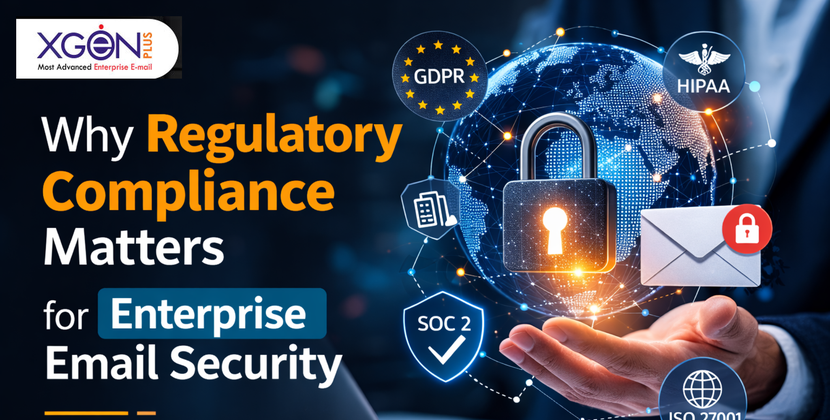
Why Regulatory Compliance Matters for Enterprise Email Security
March 16, 2026
Introduction
Email remains the backbone of modern workplace communication. Every day, organizations exchange sensitive business information through emails, including financial data, customer records, contracts, and internal discussions. While email improves collaboration and productivity, it also introduces serious security and compliance risks if not properly managed.
Enterprises today operate in an environment where regulatory compliance is becoming increasingly strict. Governments, industry regulators, and global standards organizations require companies to protect sensitive information and maintain proper records of communication. Failure to follow these regulations can lead to financial penalties, legal consequences, and loss of customer trust.
Because of this, organizations can no longer treat email as a simple messaging tool. Email systems must now meet strict enterprise email security compliance compliance standards while ensuring secure and reliable communication across teams.
In this blog, we will explore why email compliance for enterprises is critical, what risks organizations face without it, and how modern enterprise email solutions help businesses stay secure and compliant.
What Is Regulatory Compliance in Enterprise Email?
Regulatory compliance refers to the requirement for organizations to follow legal frameworks, industry regulations, and international security standards when handling business data. These rules are designed to protect sensitive information and ensure that companies follow responsible data management practices. In the context of email systems, compliance focuses on how organizations send, store, monitor, and protect business communication.
Email plays a central role in daily operations, which means it often contains confidential or regulated information. If organizations fail to secure their email infrastructure, they risk exposing sensitive data and violating regulatory requirements. This is why enterprise email compliance has become a critical part of modern cybersecurity strategies.
A compliant email system ensures that all communication is protected, monitored, and properly documented. It also helps organizations prove compliance during audits and regulatory inspections.
For businesses operating in regulated industries, adopting a secure enterprise email solution is essential to maintain both security and compliance.

Why Email Is a High-Risk Channel for Enterprises
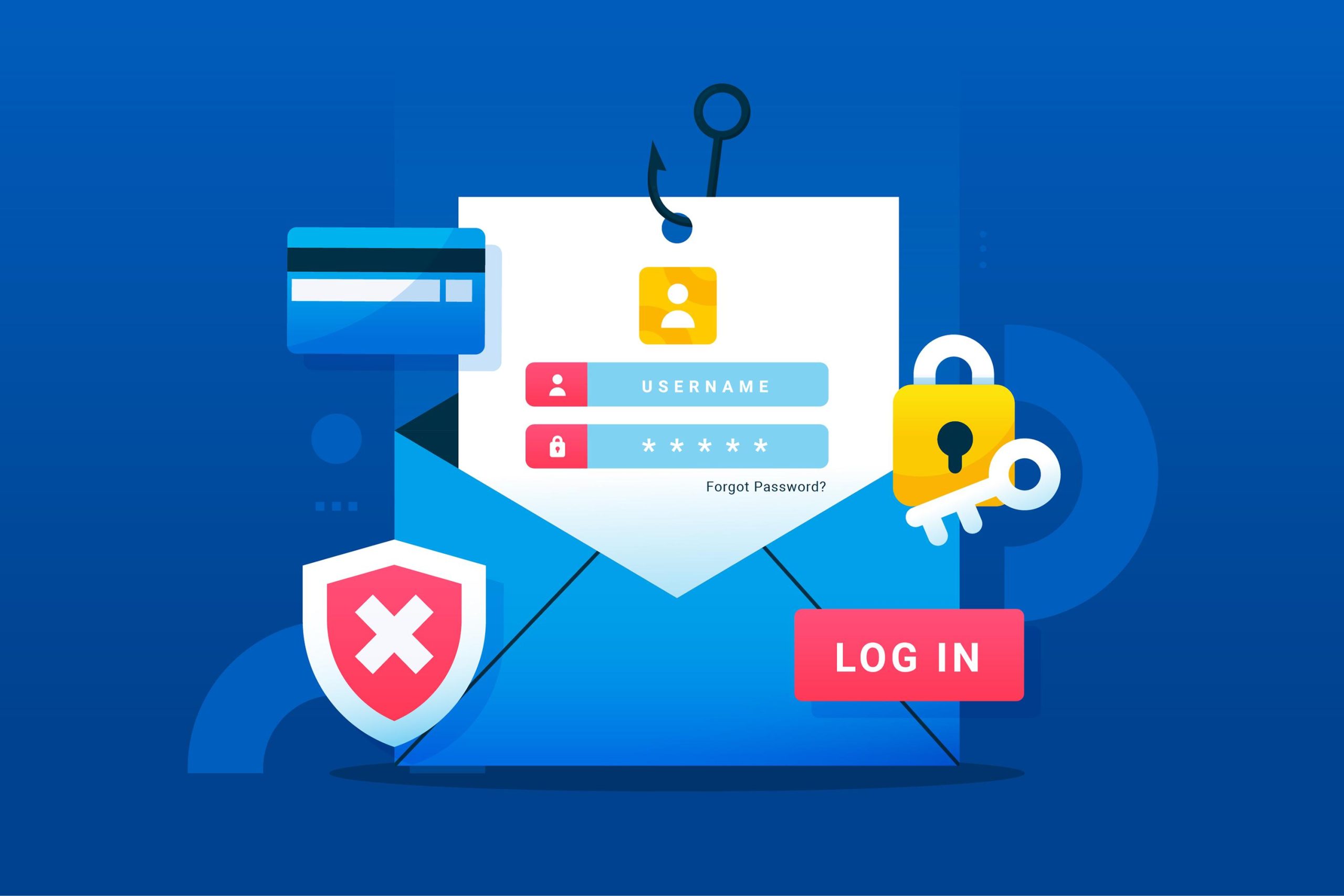
Email may appear to be a simple communication tool, but it carries a significant amount of sensitive business data every day. From financial reports to internal strategies, many critical assets move through enterprise email systems. Because of this, email often becomes a prime target for cyberattacks and data leaks.
Many organizations still rely on outdated email infrastructure that lacks modern security controls. This creates vulnerabilities that can expose sensitive information to unauthorized users or external attackers. Without proper monitoring and compliance mechanisms, businesses may not even realize when a breach occurs.
In addition, regulatory authorities increasingly consider email communication when evaluating organizational compliance. If email systems lack proper security controls, companies may face regulatory penalties and compliance failures.
Understanding these risks is the first step toward implementing strong enterprise email security compliance practices.
Data Leakage
Employees may accidentally send confidential files to the wrong recipients.
Unauthorized Access
Weak email security allows hackers to infiltrate accounts and access internal communication.
Lack of Audit Trails
Many traditional email systems lack detailed monitoring or activity logs.
This makes compliance audits difficult.
Regulatory Violations
If sensitive data is not properly protected, organizations can violate enterprise regulations related to privacy and data protection.
Because of these risks, regulators increasingly require companies to implement enterprise email security compliance frameworks.
The Role of ISO Compliance in Email Security
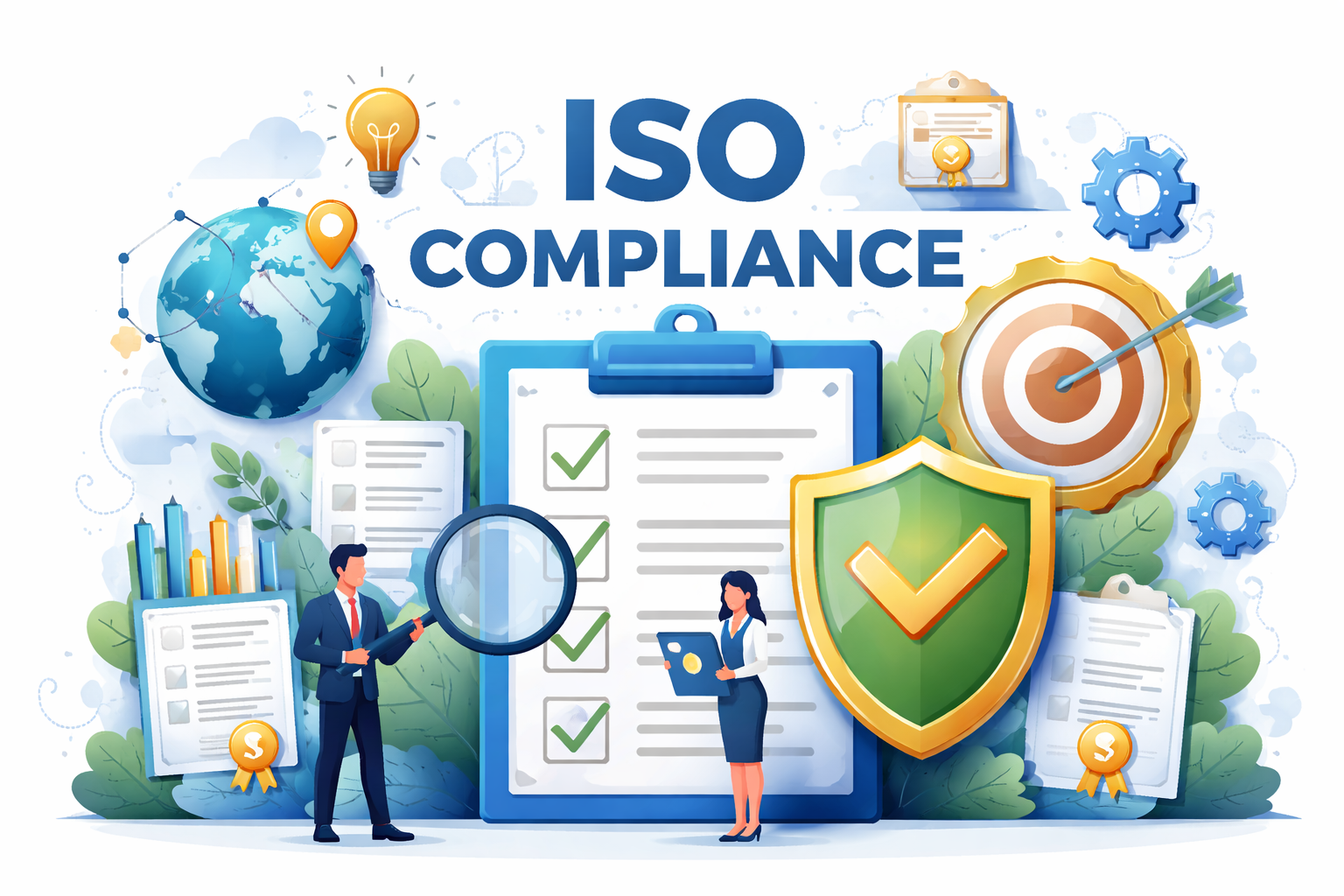
International standards help organizations create structured security frameworks that protect sensitive information. Among these standards, ISO compliance, particularly ISO 27001, plays a crucial role in defining how organizations should manage information security.
ISO standards provide guidelines for identifying security risks, implementing protective controls, and continuously monitoring systems for vulnerabilities. When applied to enterprise email systems, these standards ensure that communication infrastructure meets global security expectations.
Organizations that adopt ISO-aligned security practices demonstrate a strong commitment to protecting data and maintaining operational transparency. This is particularly important for businesses handling sensitive government, financial, or enterprise-level information.
By integrating ISO compliance into email infrastructure, enterprises can improve both security and regulatory readiness.
For enterprise email systems, ISO compliance ensures:
- Data encryption during transmission
- Secure storage of communication records
- Controlled user access
- Monitoring and logging of activities
- Risk management policies
Organizations that adopt ISO-compliant enterprise email systems demonstrate that they follow globally accepted security standards.
Key Elements of Enterprise Email Compliance
A strong enterprise email compliance framework requires more than just basic email security. Organizations must implement advanced technologies and policies that ensure data protection, monitoring, and regulatory transparency. These measures help organizations protect business communication while maintaining compliance with regulatory standards.
Modern enterprise email systems are expected to provide multiple layers of protection. This includes encryption, monitoring, identity verification, and secure archiving capabilities. Without these components, organizations may struggle to meet regulatory requirements or respond effectively during audits.
Implementing these compliance features also improves internal governance. Businesses gain better visibility into how communication flows across the organization and how sensitive information is handled.
The following components are essential for maintaining enterprise email compliance.
1. End-to-End Email Encryption
Encryption protects sensitive communication during transmission.
Even if an email is intercepted, the data remains unreadable without the proper keys.
2. Data Loss Prevention (DLP)
DLP tools detect and prevent the sharing of sensitive information such as:
- Financial data
- Personal identification information
- Confidential company documents
This reduces accidental regulatory violations.
3. Access Control and Identity Verification
Organizations must control who can access email accounts and sensitive communication.
Multi-factor authentication and identity verification strengthen this protection.
4. Email Archiving and Retention
Many regulations require organizations to retain communication records for specific time periods.
Secure email archiving helps organizations maintain these records while ensuring accessibility during audits.
5. Audit Trails and Monitoring
Compliance requires visibility.
Audit logs help organizations track:
- Who accessed emails
- What actions were taken
- When data was shared
These logs become essential during regulatory inspections.

Consequences of Ignoring Email Compliance
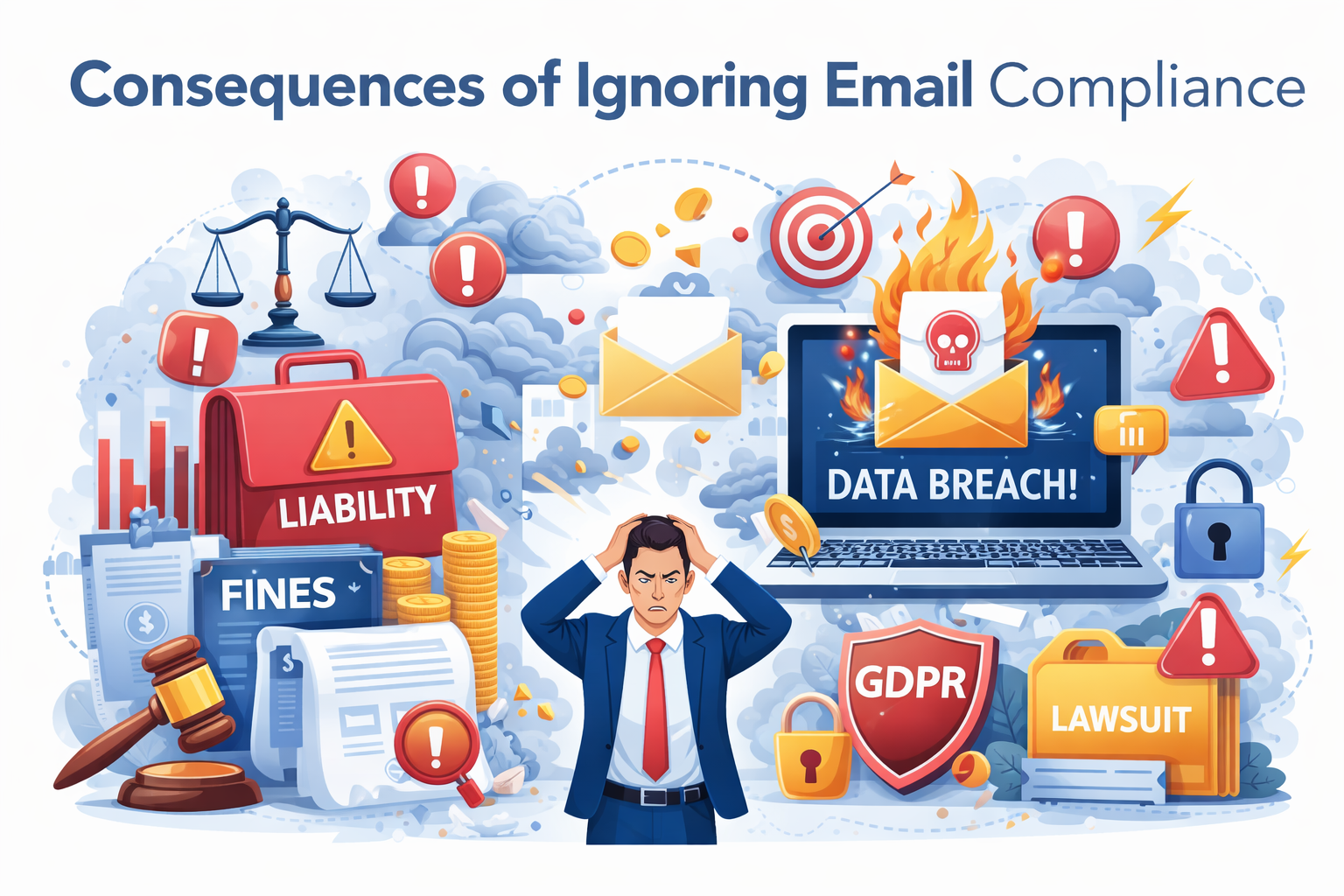
Ignoring enterprise email security compliance can expose organizations to serious risks that go beyond cybersecurity incidents. Regulatory authorities impose strict penalties when businesses fail to protect sensitive information or violate data protection laws.
Many companies underestimate how expensive compliance failures can become. Apart from financial penalties, organizations may also experience reputational damage that impacts customer trust and long-term partnerships.
In some cases, regulatory violations can trigger legal investigations or lawsuits from affected customers and stakeholders. These situations not only create financial losses but also disrupt business operations.
Organizations that prioritize email compliance are better positioned to prevent these risks and maintain regulatory confidence.
Financial Penalties
Regulatory violations often result in heavy fines that can reach millions.
Legal Exposure
Organizations may face lawsuits from customers or partners if sensitive information is compromised.
Loss of Customer Trust
Data breaches damage brand reputation. Recovering trust can take years.
Operational Disruption
Regulatory investigations and compliance failures can interrupt business operations.
For many companies, these risks far outweigh the investment required for a compliant enterprise email solution.
Why Enterprises Need a Secure Email Infrastructure
In today’s digital landscape, compliance is no longer limited to legal departments or security teams. It has become a core part of enterprise IT strategy. Organizations must ensure that their communication infrastructure supports regulatory requirements while maintaining operational efficiency.
A secure email infrastructure helps organizations control how sensitive data moves across internal and external communication channels. It also provides the monitoring capabilities required for regulatory reporting and audit preparation.
Enterprises that rely on outdated email systems often struggle to meet modern compliance expectations. Upgrading to secure email infrastructure enables organizations to protect communication while aligning with regulatory frameworks.
This shift is driving the adoption of enterprise email solutions designed specifically for compliance and security.
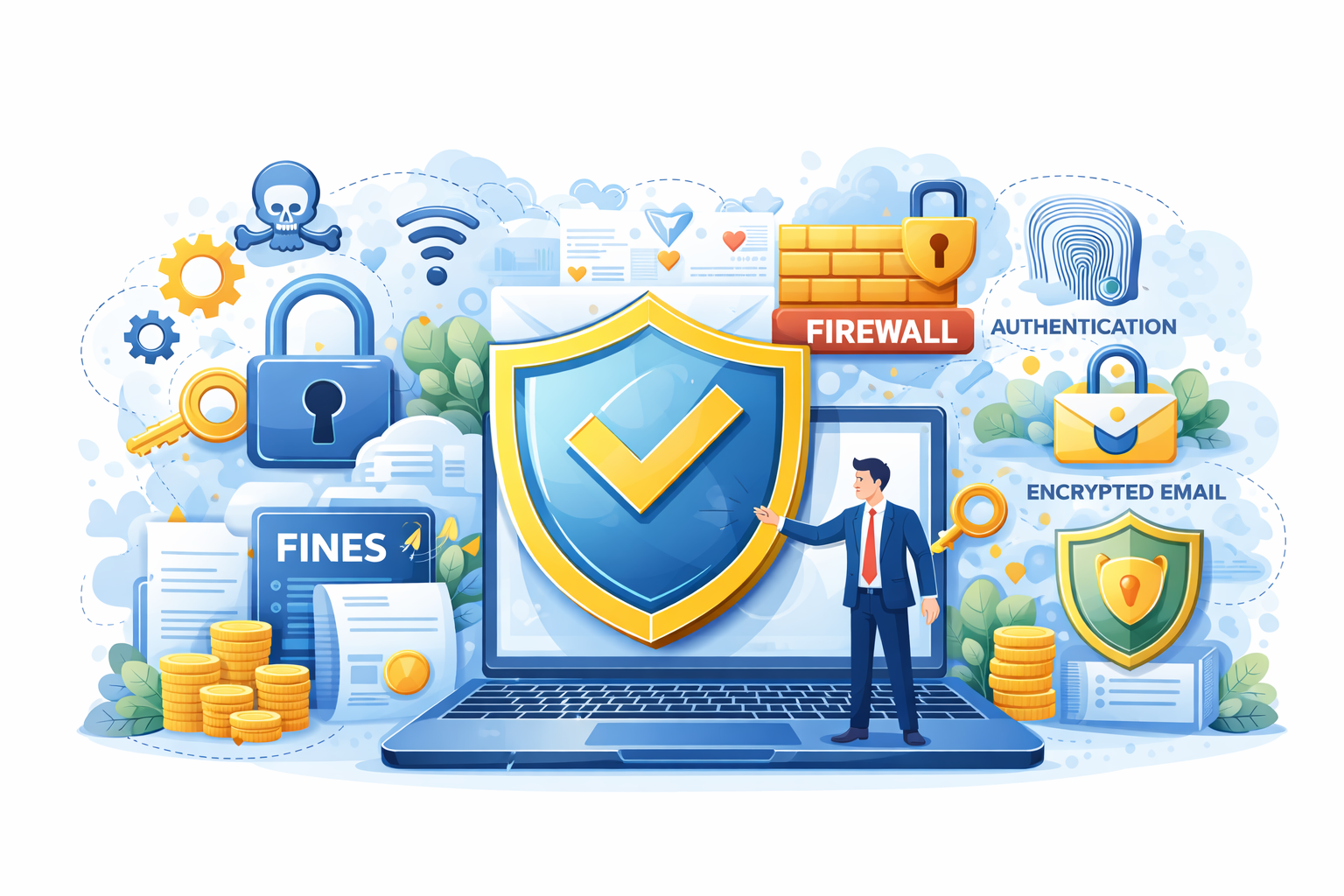
Modern enterprises must ensure their email systems support:
- Strong encryption
- Secure authentication
- Regulatory reporting
- Controlled access to sensitive data
How XgenPlus Supports Enterprise Email Compliance
Enterprises require email platforms that are designed with security, reliability, and compliance at their core. Traditional email systems often lack the specialized features needed to meet modern regulatory requirements. This is where advanced enterprise email solutions play an important role.
XgenPlus is designed to support organizations that require secure and compliant email communication. The platform integrates security controls that help enterprises manage sensitive communication while maintaining regulatory transparency.
By providing secure infrastructure and compliance-ready features, XgenPlus helps organizations reduce security risks and improve regulatory readiness.
This makes it easier for enterprises to maintain secure workplace communication without compromising productivity.
The platform offers:
- Advanced encryption for secure email communication
- Detailed audit trails for monitoring and compliance tracking
- Secure authentication mechanisms
- Reliable email archiving capabilities
- Infrastructure designed for enterprise security
By integrating these capabilities, XgenPlus helps organizations maintain enterprise email security compliance while ensuring smooth workplace communication.
Final Thoughts
Regulatory expectations around data protection and communication security are growing rapidly. Enterprises can no longer afford to overlook the importance of email compliance in their digital infrastructure. Every email exchanged within an organization carries potential risks if not properly secured and monitored.
By implementing strong compliance practices, organizations can protect sensitive information, maintain regulatory trust, and improve overall cybersecurity posture. A secure email infrastructure also ensures that businesses remain prepared for audits, regulatory inspections, and evolving data protection laws.
Investing in a compliant enterprise email solution is not just about avoiding penalties. It is about building a secure communication environment that supports long-term business growth and trust. Organizations that prioritize regulatory compliance, ISO compliance, and enterprise email security compliance today will be better prepared for the future of digital communication.