

Why Regulatory Compliance Matters for Enterprise Email Security
March 16, 2026
AI in Everyday Life: 10 Real Examples and How to Keep Your Data Safe
March 23, 2026

Introduction
Artificial Intelligence (AI) is no longer limited to tech discussions or future predictions. It has become a natural part of everyday life, quietly working behind the tools you use every day. Whether you are writing emails, searching for information, or creating content, AI is constantly improving your experience without you even noticing it.
Most people don’t realize how often they interact with AI. It helps automate tasks, saves time, and improves productivity across personal and professional activities. However, this convenience comes with a trade-off. AI relies heavily on data, and the more you use it, the more it learns from your behavior, preferences, and interactions.
10 Real Examples of AI in Everyday Life
1. Writing Assistants
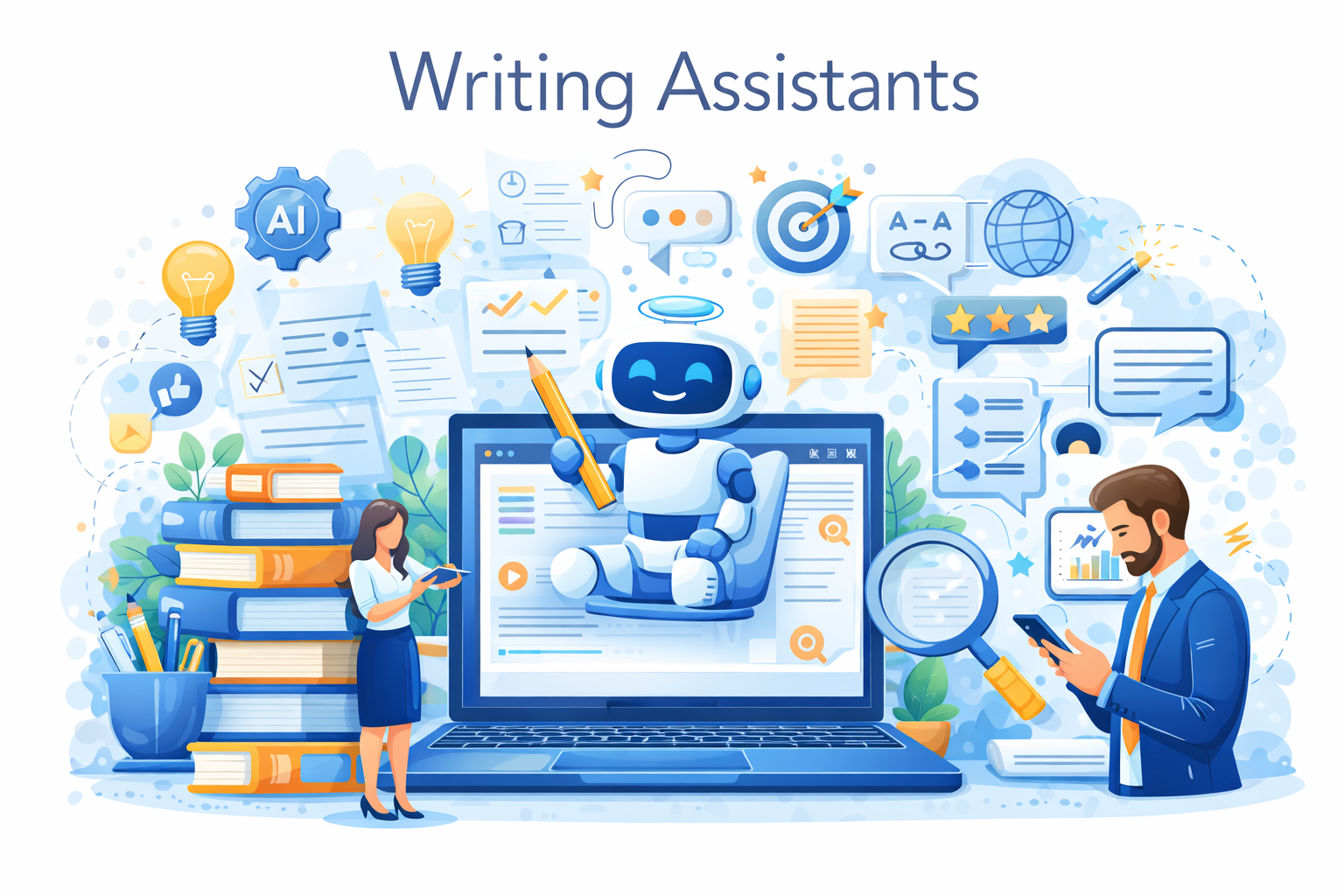
AI writing assistants help you create emails, documents, and messages quickly and efficiently. They correct grammar, improve tone, and suggest better phrasing in real time. Many professionals rely on these tools daily to enhance productivity and maintain communication quality. Tools like an AI email writer can even generate complete responses based on context. While useful, these systems continuously learn from your writing style and input patterns.
2. Image Generation Tools
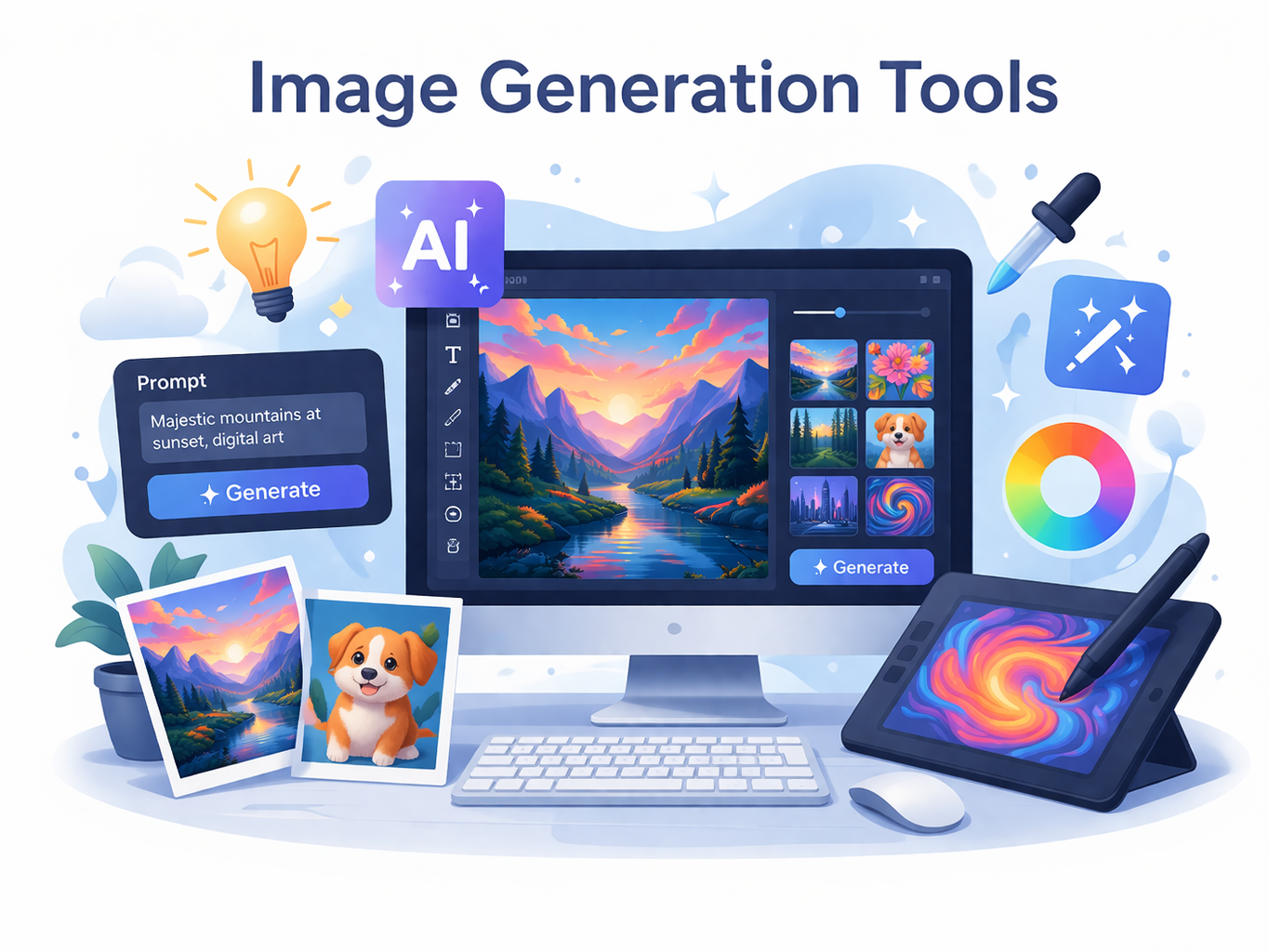
AI-powered image generation tools allow users to create visuals from simple text prompts. These tools are widely used for presentations, marketing content, and social media design. They eliminate the need for advanced design skills by generating high-quality images instantly. The system works by learning from large datasets of existing images. However, prompts and generated outputs may be stored or analyzed by the platform.
3. Document Summarization
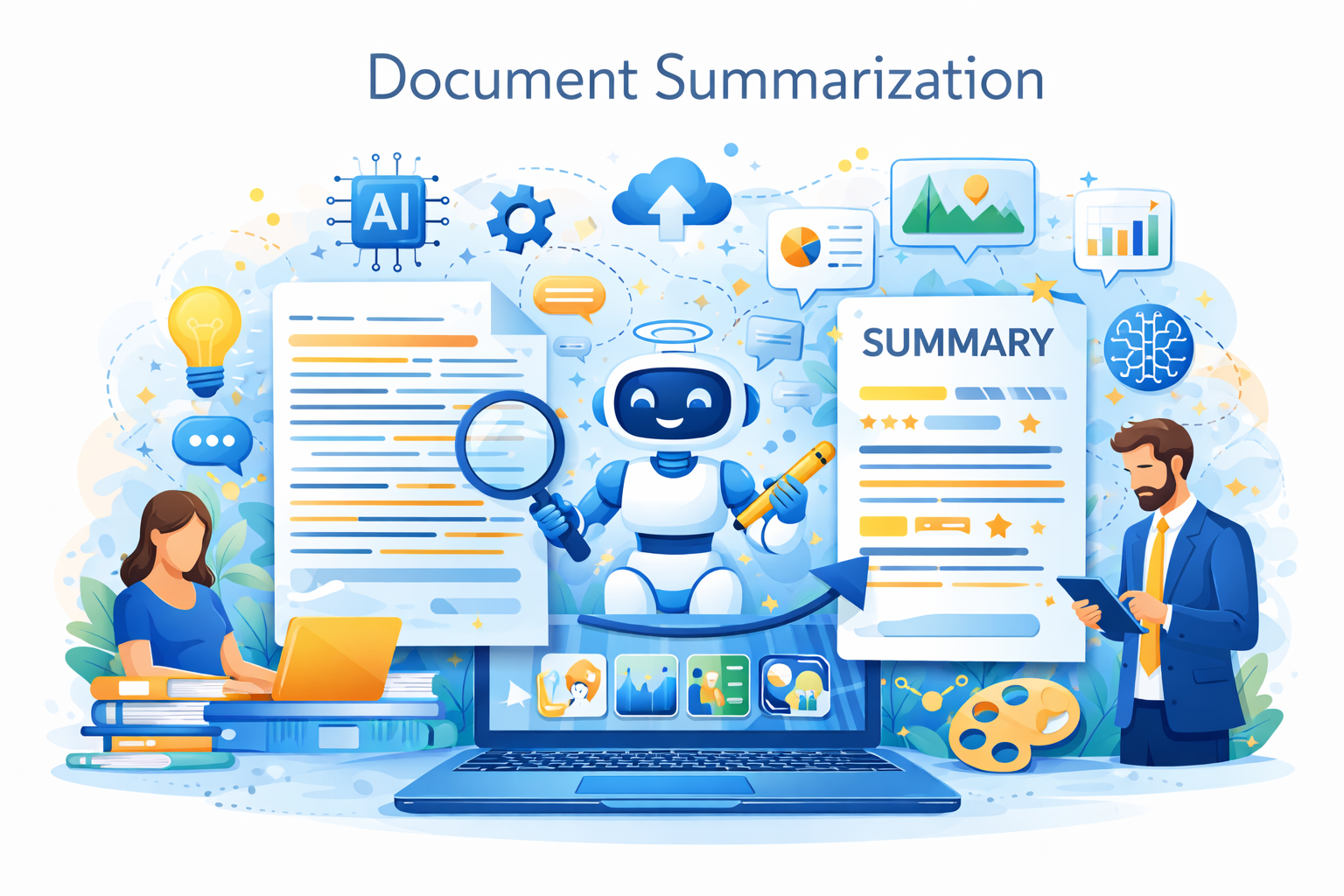
AI tools can summarize long documents, reports, or articles into short and clear insights. This is especially helpful for professionals who deal with large volumes of information. It saves time by highlighting key points without reading the full content. The system processes entire documents to generate accurate summaries. As a result, sensitive or confidential information may also be analyzed during this process.
4. Health Information Checkers
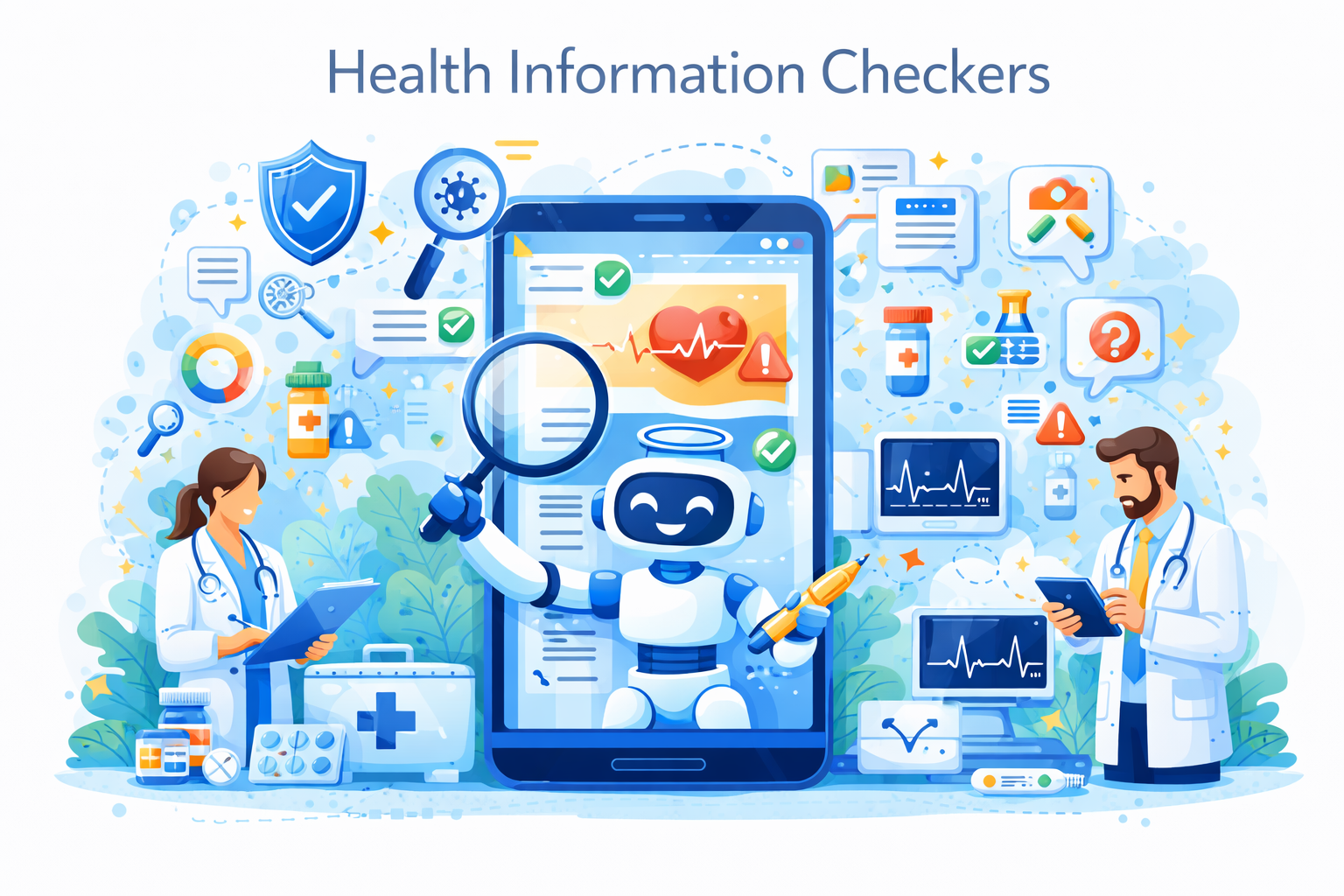
AI-based health tools help users understand symptoms and get basic medical insights quickly. They provide suggestions based on large medical datasets and pattern recognition. Many people use them for initial guidance before consulting professionals. These tools make health information more accessible and easier to understand. However, the data entered can include highly sensitive personal health details.
5. Smart Email Features
Email platforms use AI to filter spam, prioritize messages, and suggest quick replies. They also help organize inboxes automatically for better productivity. These features improve efficiency in modern workplace communication environments. AI learns from user behavior to make smarter suggestions over time. At the same time, email content and interaction patterns are continuously analyzed.
6. Chatbots and Virtual Assistants
AI chatbots are widely used to provide instant responses on websites and applications. They can handle customer queries, provide support, and guide users efficiently. Businesses use them to improve response time and reduce manual workload. These systems improve by learning from past interactions. However, conversations are often stored and used to enhance future performance.
7. Voice Assistants
Voice assistants allow users to perform tasks using simple voice commands. They can set reminders, search information, and control smart devices. These systems improve accuracy by learning from user interactions over time. They offer convenience and hands-free operation in everyday life. However, voice data may be recorded and analyzed to improve performance.
8. Recommendation Systems
AI is used to recommend content on platforms like YouTube, Netflix, and Spotify. It studies your behavior to suggest videos, music, or shows based on your interests. This creates a highly personalized user experience. The system continuously learns and adapts to your preferences. As a result, your viewing and listening habits are tracked and stored.
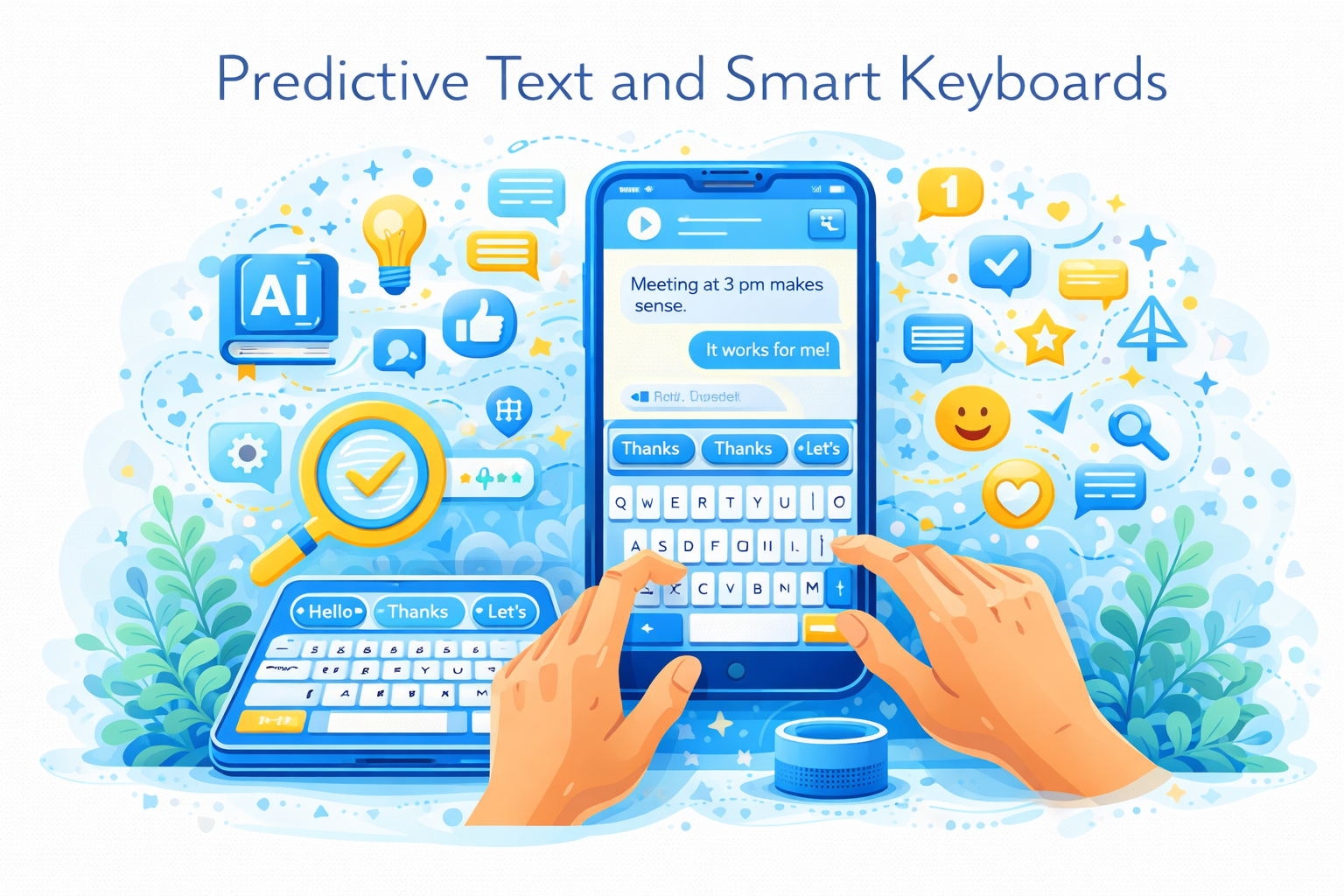
9. Predictive Text and Smart Keyboards
Smart keyboards use AI to predict words and correct typing errors instantly. They learn from your typing habits and frequently used phrases. This makes communication faster and more convenient for users. The system adapts to your behavior over time to improve accuracy. However, it also collects data related to your typing patterns.
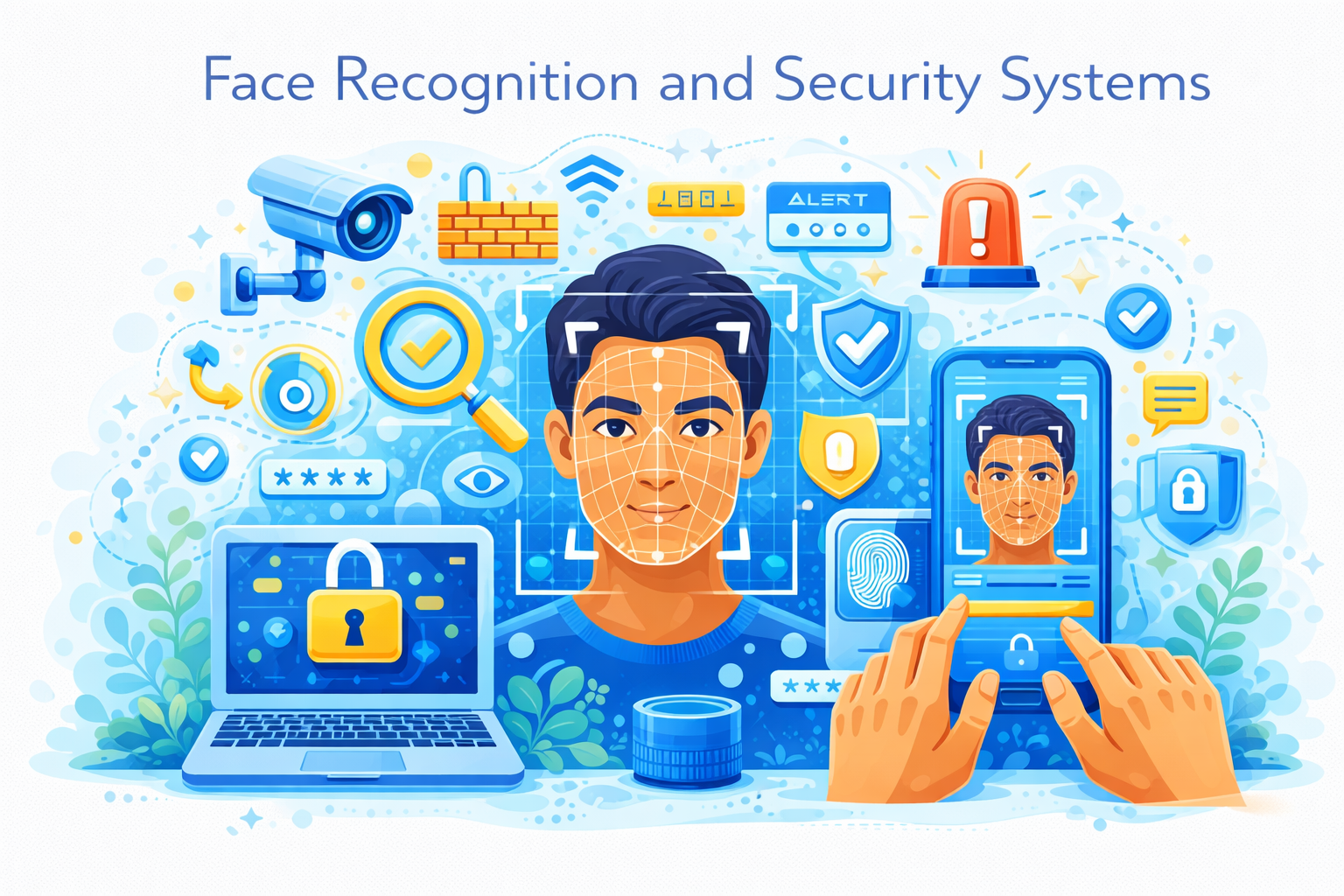
10. Face Recognition and Security Systems
AI is used in face recognition systems for identity verification and device security. It allows users to unlock devices and access systems quickly. The technology analyzes facial features for accurate identification. It enhances convenience while maintaining security. Since it involves biometric data, proper protection is extremely important.
The Hidden Side: How AI Uses Your Data
AI systems improve by learning from user data collected through everyday interactions. Every search, message, click, or action contributes to this process. This allows systems to become more accurate and personalized over time. However, it also means that large amounts of personal and behavioral data are being stored and analyzed. Many users are not fully aware of how much data is collected or how it is used behind the scenes.
Risks You Should Know
AI offers significant benefits, but it also introduces risks that should not be ignored. As systems become more advanced, they rely heavily on user data to function effectively. This increases the chances of data misuse or unintended exposure. Understanding these risks is important for both individuals and organizations. Awareness is the first step toward protecting your information.
- Personal data can be collected without clear transparency
- AI tools may use your inputs for training
- Behavioral profiling can become highly detailed
- Sensitive information may be exposed if shared carelessly
In professional environments, this becomes even more critical. Organizations must focus on:
- business email security
- secure communication systems
- controlled data access
How to Keep Your Data Safe
Using AI tools is now part of daily life, but using them responsibly is essential. Protecting your data does not require technical expertise, but it does require awareness. Small actions can significantly reduce risks associated with data exposure. The goal is to stay in control of your information while still benefiting from AI. A few simple practices can make a big difference.

1. Avoid Sharing Sensitive Information
Do not input confidential data into AI tools, especially business emails, passwords, or financial details. Many AI systems store and process user inputs to improve performance. Even if the platform claims privacy, it is better to avoid sharing anything critical. Always treat AI tools as public systems unless clearly stated otherwise. This simple habit can prevent major data risks.
2. Review Privacy Settings Regularly
Most apps and AI tools collect more data than necessary by default. Go through the privacy settings and check what permissions are enabled. Disable access to features like location, microphone, or contacts if they are not required. Many users skip this step, but it gives you better control over your data. Regular reviews ensure your settings stay updated.
3. Use Secure Platforms
Not all platforms handle your data in the same way. Choose tools that prioritize privacy and offer strong security features. This is especially important when selecting an enterprise email solution for business communication. Secure platforms provide encryption and better control over data storage. Using trusted tools reduces the chances of data misuse.
4. Enable Strong Security Measures
Basic security steps can protect your data from unauthorized access. Always use strong, unique passwords for different accounts. Enable two-factor authentication wherever possible for an added layer of security. Avoid using public or shared devices for sensitive activities. These small measures significantly reduce the risk of data breaches.
5. Be Mindful of AI in Communication
AI is now integrated into emails, chats, and even multilingual emails. While this improves speed and convenience, it also increases the chances of data exposure. Avoid sharing confidential business or personal details in AI-assisted communication. Always review AI-generated content before sending it. Staying cautious helps maintain privacy in daily interactions.
6. Use Secure Communication Tools
Communication tools should offer strong encryption and data protection. This is especially important for meetings, calls, and file sharing. Platforms that support secure video communication help ensure conversations remain private. Always verify the security features before using any tool. Secure communication is essential for both personal and professional use.
Final Thoughts
AI has become an essential part of how we live and work. It improves efficiency, enhances user experience, and simplifies everyday tasks. From communication to content creation, its presence is now deeply integrated into modern life.
At the same time, AI depends on data to function effectively. The more you understand how it works, the better you can protect your information. Using AI responsibly is not about avoiding it, but about staying aware and making informed decisions in a data-driven world.