

Why Multilingual Emails Matter in Internal Communication
January 26, 2026
10 AI Agent Use Cases Powering Enterprise Automation in 2026
February 9, 2026
Digital Sovereignty Challenges in a Cloud-First World
February 2, 2026
Introduction:
The cloud-first world has reshaped how modern enterprises operate. Speed, scalability, and global access have become default expectations rather than competitive advantages. From collaboration tools to enterprise email solutions , cloud adoption has simplified IT operations across industries.
Yet beneath this convenience, a critical issue is emerging—digital sovereignty.
As organizations move core systems to the cloud, their data increasingly lives outside their direct control. Emails, internal communications, and sensitive business information often reside on infrastructure governed by external jurisdictions. For many businesses, this shift happens quietly—until compliance questions, audits, or security concerns surface.
Digital sovereignty is no longer a theoretical discussion. It is a real operational challenge affecting enterprise data security, workplace communication, and long-term business resilience.
What Digital Sovereignty Means in a Cloud-First World
Digital sovereignty refers to an organization’s ability to retain authority over its digital assets, data, and communication systems in line with local laws, regulatory obligations, and internal governance standards. In a cloud-first world, this authority is often diluted by design.
Most cloud platforms operate distributed infrastructures where data is dynamically stored, processed, and replicated across regions. While this improves performance and redundancy, it also reduces transparency and control over where enterprise data actually resides.
For businesses, digital sovereignty is not about rejecting cloud technology. It is about ensuring data sovereignty, accountability, and clarity—knowing who controls your data, where it lives, and which laws ultimately apply to it.

Why Digital Sovereignty Matters More Than Ever Today
As regulatory scrutiny increases, digital sovereignty has moved from an IT concern to a boardroom priority. Governments and regulators now expect organizations to demonstrate accountability for how data is stored, accessed, and protected—especially in cloud environments.
In a cloud-first world, many enterprises discover they lack clear answers to basic compliance questions. This uncertainty directly impacts cloud data compliance, audit readiness, and customer trust.
Beyond regulation, sovereignty is closely tied to risk management. Limited visibility into data handling weakens enterprise data security and increases exposure during legal disputes, cyber incidents, or geopolitical shifts.

Key Digital Sovereignty Challenges Businesses Face
Digital sovereignty challenges often emerge gradually as organizations scale their cloud usage. What begins as a convenience-driven decision can evolve into a governance and compliance concern.
Common challenges include:
- Data stored outside national or regional boundaries
- Exposure to foreign jurisdictional access requests
- Limited visibility into cloud infrastructure operations
- Conflicting compliance requirements across geographies
- Long-term dependency on global cloud vendors
Each of these challenges reduces an organization’s ability to fully govern its digital environment. Over time, this lack of control can translate into compliance gaps, delayed audits, and increased operational risk.

Digital Sovereignty Challenges in Workplace Communication
Workplace communication systems are among the most critical—and most overlooked—components of digital sovereignty. Email, in particular, carries highly sensitive information such as contracts, financial records, internal strategies, and intellectual property.
In a cloud-first world, many business email platforms store data across multiple international locations. Organizations often have limited visibility into where email data resides or how it is accessed internally and externally.
This creates a significant business email security risk. When email systems fall outside sovereign control, enterprises lose authority over one of their most regulated and business-critical communication channels.
For many organizations, reassessing workplace communication becomes the first step toward regaining digital control.

On-Premises Email vs Cloud Email: A Sovereignty Perspective
The choice between cloud-based email and On-Premises email is no longer just a technical preference—it is a strategic sovereignty decision. Each model offers different levels of governance, compliance alignment, and operational control.
Cloud email typically provides:
- Rapid deployment and scalability
- Lower infrastructure overhead
- But limited control over data location
- Cross-border data movement
- Dependency on provider-defined policies
On-Premises email or sovereignty-aligned deployments offer:
- Full ownership of data and infrastructure
- Strong alignment with data localization requirements
- Greater transparency and access control
- Improved enterprise email security
For organizations operating in regulated industries, On-Premises email remains a deliberate choice to maintain authority—not a step backward.

Regulations Driving Digital Sovereignty Globally
Regulatory frameworks worldwide are increasingly focused on data localization, cross-border data transfers, and accountability for third-party service providers. These regulations are reshaping how enterprises evaluate cloud adoption.
Key regulatory expectations include:
- Clear data residency documentation
- Compliance with local data protection laws
- Governance over outsourced infrastructure
- Auditability of communication systems
Many enterprises only recognize sovereignty gaps during audits or compliance reviews. At that stage, remediation becomes reactive—often leading to rushed decisions, delayed approvals, and unexpected infrastructure changes.

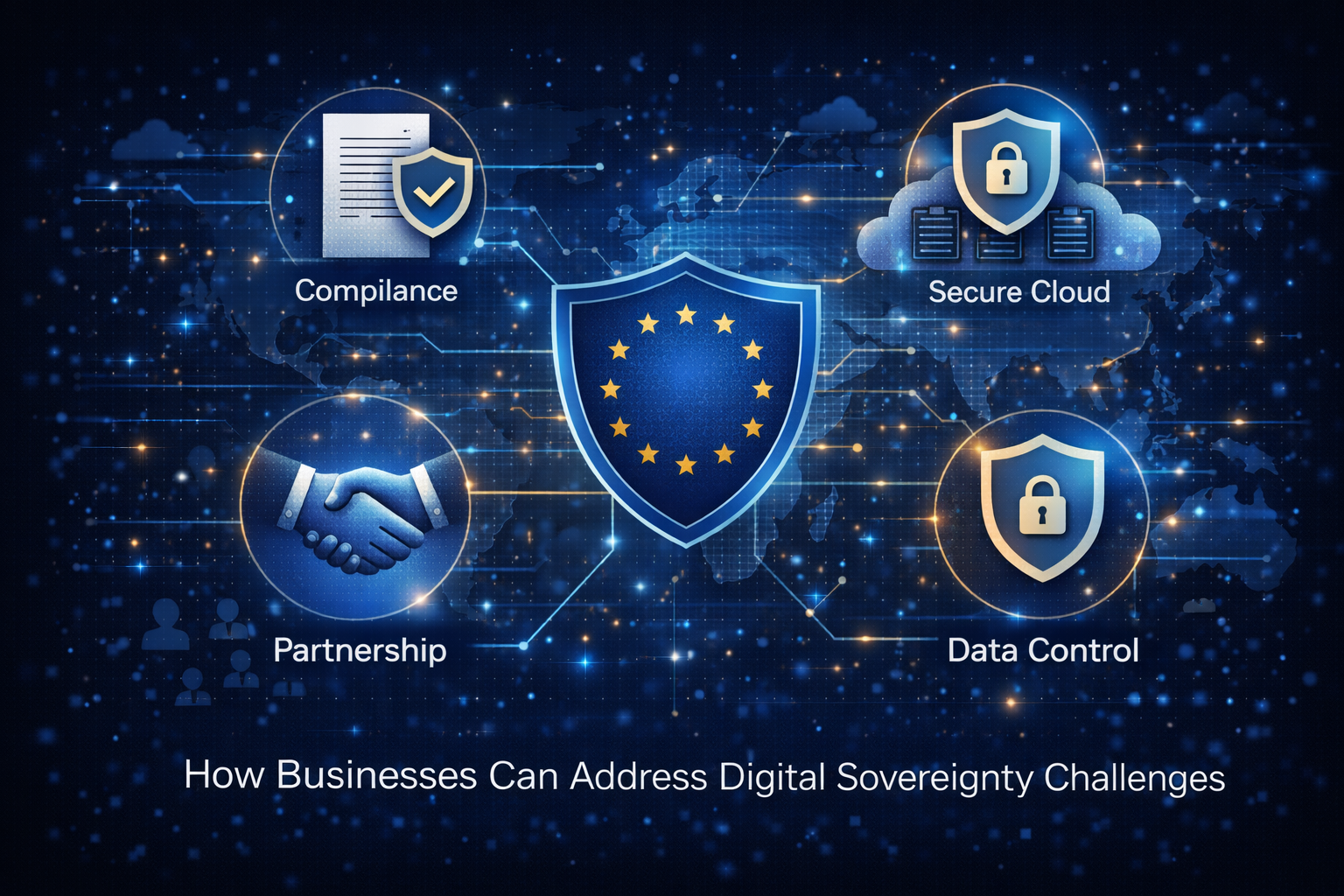
How Businesses Can Address Digital Sovereignty Challenges
Addressing digital sovereignty challenges does not require abandoning cloud strategies. Instead, it requires a more intentional, governance-driven approach to technology decisions.
Forward-looking organizations are:
- Auditing where enterprise data is stored and processed
- Selecting enterprise email solutions with transparent data residency
- Aligning communication systems with local compliance needs
- Reducing unnecessary cross-border data exposure
- Treating workplace communication as a compliance-critical asset
Enterprises evaluating their sovereignty posture often start with email—because it is both highly exposed and heavily regulated.
How XgenPlus Supports Digital Sovereignty
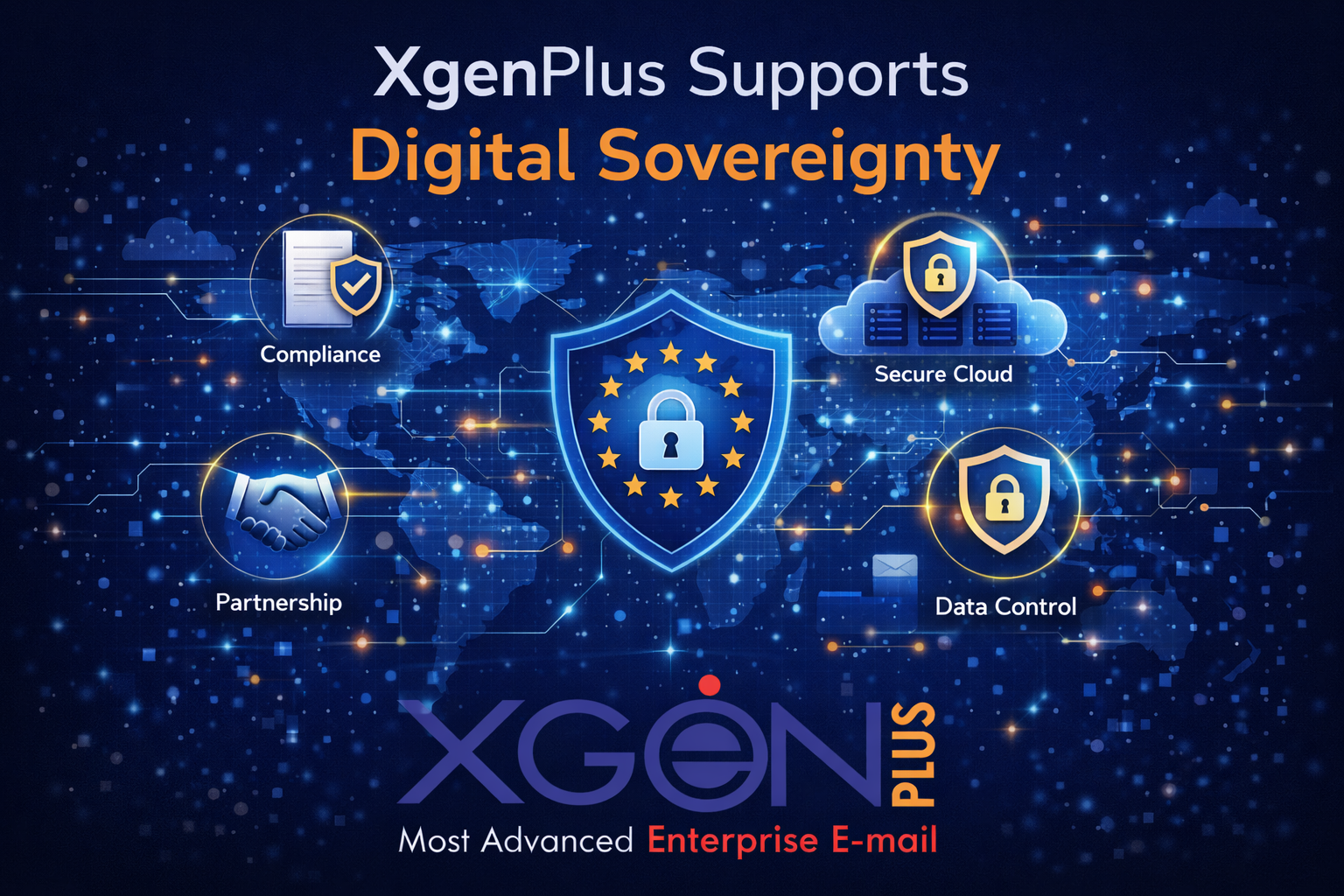
XgenPlus is built to support organizations that prioritize control, compliance, and long-term data ownership in a cloud-first world. Its approach focuses on transparency and governance rather than convenience alone.
XgenPlus enables digital sovereignty through:
- Enterprise-grade email infrastructure
- Strong governance and access controls
- Support for On-Premises email deployments
- Alignment with data localization and compliance requirements
- Secure, reliable workplace communication
This allows organizations to modernize communication without compromising data sovereignty or regulatory obligations.
The Future of Digital Sovereignty in a Cloud-First World
As cloud adoption matures, enterprises are becoming more selective about how and where they deploy critical systems. The future will not be defined solely by cloud-first strategies, but by control-first decisions.
Organizations will increasingly demand transparency, jurisdictional clarity, and accountability from technology providers. Digital sovereignty and enterprise data security will become key criteria in vendor evaluation.
Email and communication platforms will be among the first systems enterprises reassess—because control over communication is control over the business itself.
Final Thoughts:
Digital sovereignty challenges are no longer distant or hypothetical. They are shaping compliance outcomes, security posture, and enterprise trust in a cloud-first world.
Organizations that act early gain clarity, resilience, and long-term independence. Those that delay risk being constrained by systems they no longer fully control.
In a cloud-first world, true advantage comes from ownership—not just access.