
6 Proven Techniques to Organize a Messy Email Inbox
January 12, 2026
Why Multilingual Emails Matter in Internal Communication
January 26, 2026
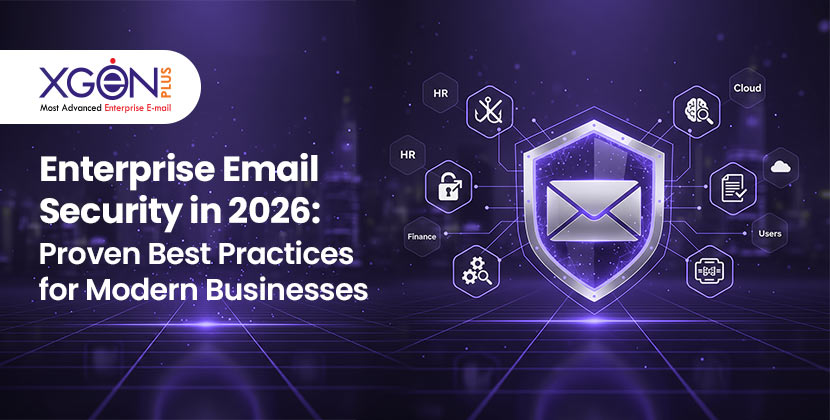
Enterprise Email Security in 2026: Proven Best Practices for Modern Businesses
January 19, 2026
Introduction:
Email is still the most used business email solution for enterprises worldwide. Contracts are shared over it. Payments are approved through it. Leadership decisions often start in the inbox. Yet in 2026, email has also become the easiest way for attackers to enter an organization. Threats are smarter, faster, and more human-like than ever before.
What makes this dangerous is not just technology—it’s trust. Employees trust emails that look familiar. Executives trust messages that sound urgent. Attackers exploit that trust every day. This is why enterprise email security has moved from a backend IT task to a boardroom priority.
In this blog, we’ll break down proven, practical, and modern enterprise email security best practices. No fluff. No theory. Just what actually works for modern businesses.
The inbox is still the front door—and attackers know it
Email remains the most targeted entry point for cyberattacks because it’s universally used and deeply trusted. Unlike firewalls or internal systems, email connects directly to the outside world. Every employee, from interns to CEOs, uses it daily without thinking twice.
Attackers don’t need to break systems anymore—they just need to convince someone to click. With realistic language, familiar names, and perfect formatting, malicious emails blend in seamlessly. This makes the inbox a high-value target for cybercriminals.
In 2026, protecting email is no longer about blocking spam. It’s about defending the primary gateway to your organization.

Why Enterprise Email Security Matters More Than Ever
Email sits at the center of enterprise workflows. It carries sensitive conversations, financial approvals, legal documents, and customer data. A single compromised inbox can expose far more than just one user—it can affect the entire organization.
Modern attacks don’t announce themselves. They quietly steal credentials, monitor conversations, and strike at the right moment. This makes reactive security useless. Enterprises must focus on prevention and visibility.
Strong business email security reduces operational risk, protects brand reputation, and ensures business continuity. It’s not just a security investment—it’s a business safeguard.

The Modern Enterprise Email Threat Landscape In 2026
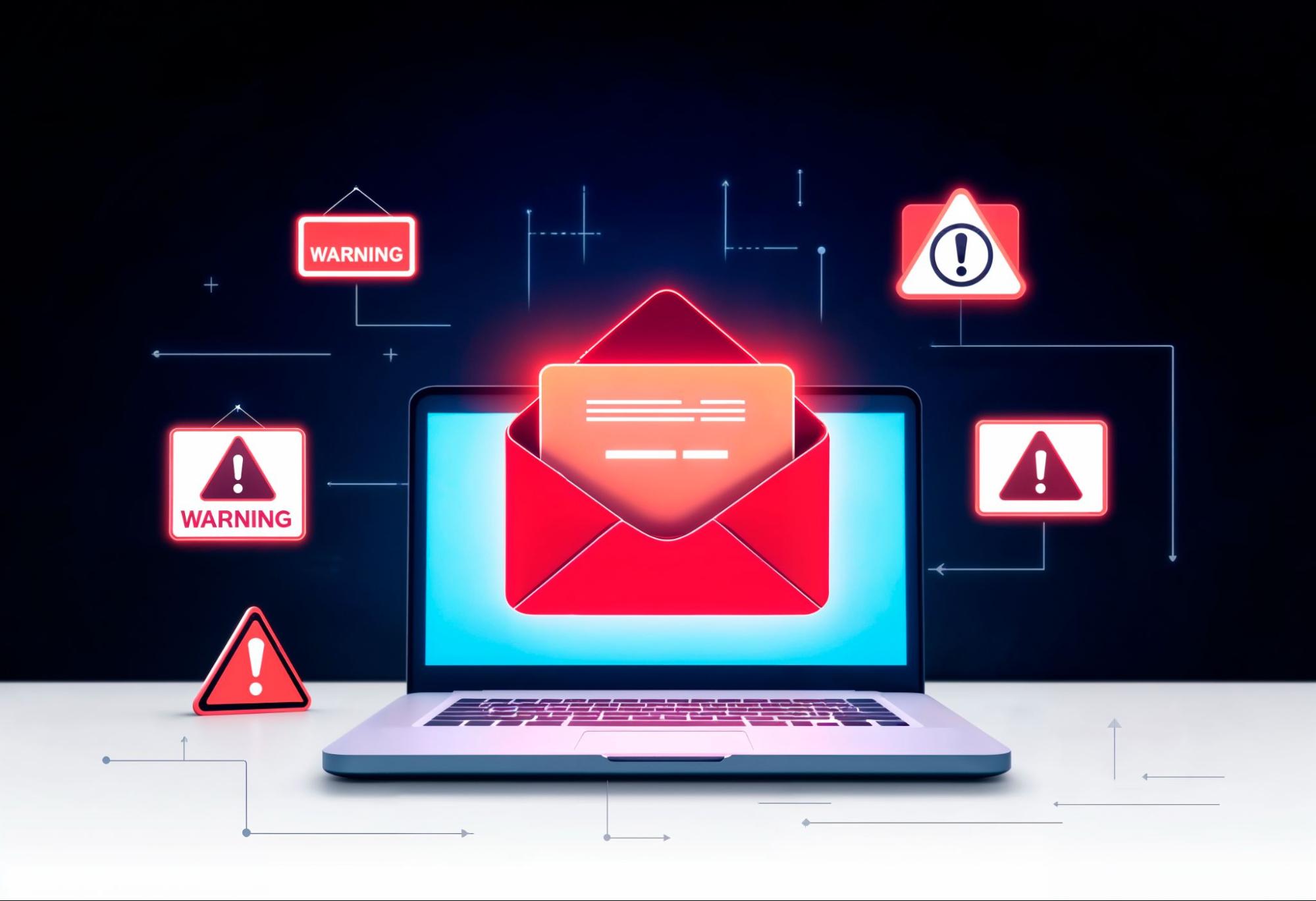
AI-powered phishing is the new normal
Phishing emails are no longer poorly written or easy to spot. Attackers now use AI to study writing styles, job roles, and communication patterns. Emails are personalized, relevant, and timed perfectly to appear legitimate.
This evolution makes traditional keyword-based filters ineffective. Enterprises must now detect intent, behavior, and anomalies—not just suspicious words. Without advanced detection, AI-powered phishing slips through unnoticed.
In 2026, assuming employees can “just spot phishing” is a dangerous gamble.
Remote work expanded the attack surface
Remote and hybrid work have permanently changed how employees access email. Logins now happen from home networks, mobile devices, and public connections. This flexibility is great for productivity—but risky for security.
Each device and location increases exposure. Without proper controls, stolen credentials can be used from anywhere in the world without raising alarms. Visibility becomes fragmented, and security teams lose control.
Enterprise email security must adapt to this reality with strong authentication, device awareness, and access monitoring.
Compliance pressure is increasing
Regulations around data protection and communication transparency are tightening globally. Enterprises are expected to know who accessed what, when, and why. Email plays a central role in compliance audits and legal investigations.
Without proper logging and retention, organizations struggle to prove compliance. Missing audit trails can result in fines, legal exposure, and loss of trust. Compliance failures are often discovered only after damage is done.
In 2026, secure email is not just about threats—it’s about accountability.
Best Practices For Enterprise Email Security In 2026
1. Choose a secure enterprise email platform (not just a mailbox)
Email security must start at the platform level. Many businesses still treat email as a basic utility rather than a critical system. This leads to fragmented security tools and blind spots.
A modern enterprise email platform integrates security directly into its core. Threat detection, access control, encryption, and logging should work together seamlessly. This reduces complexity and improves reliability.
Relying on third-party add-ons increases risk. Native security creates a stronger, more manageable defense.
Key capabilities to look for:
- Built-in encryption
- Advanced threat detection
- Granular admin controls
- Full audit logging
2. Enforce multi-factor authentication (MFA) everywhere
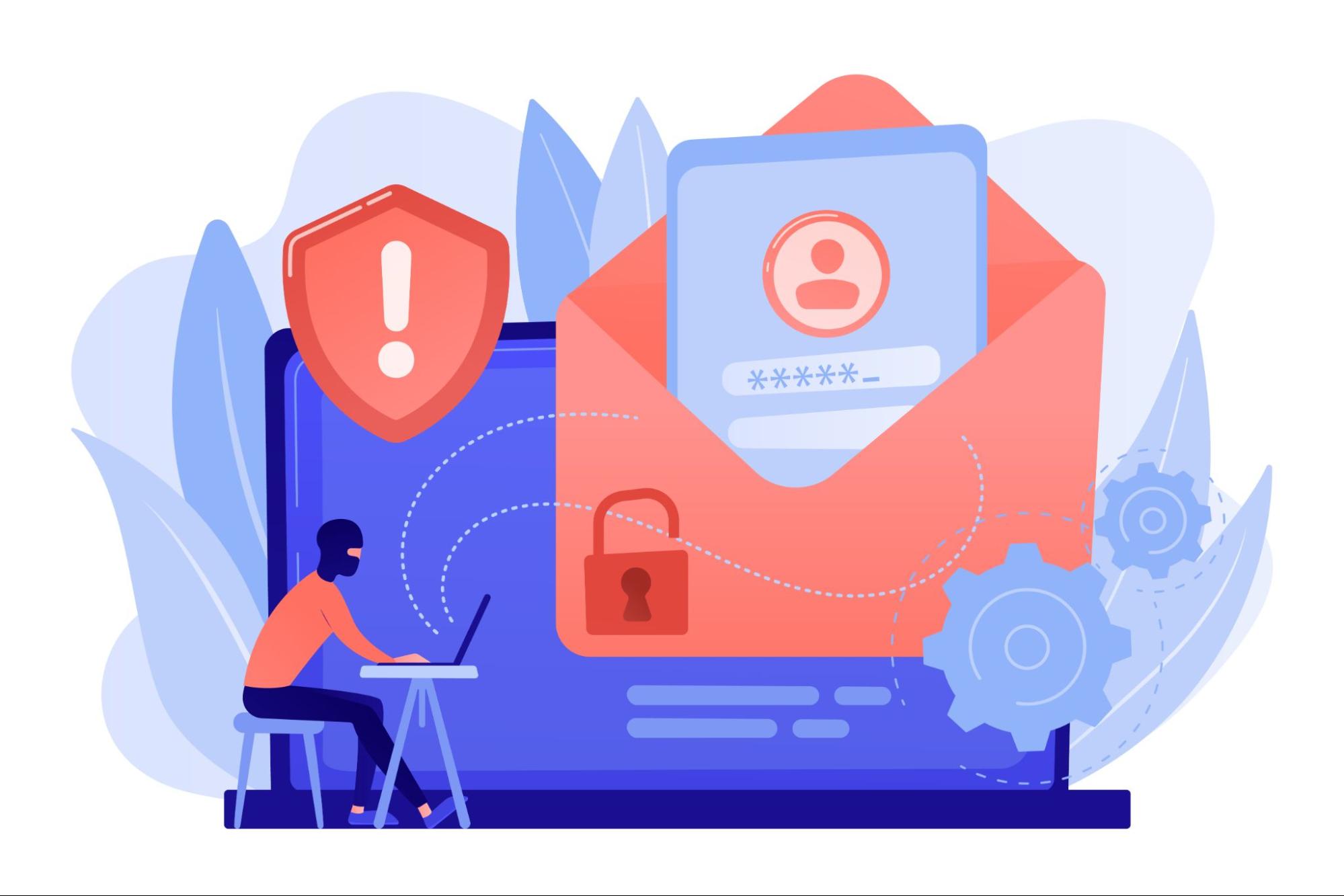
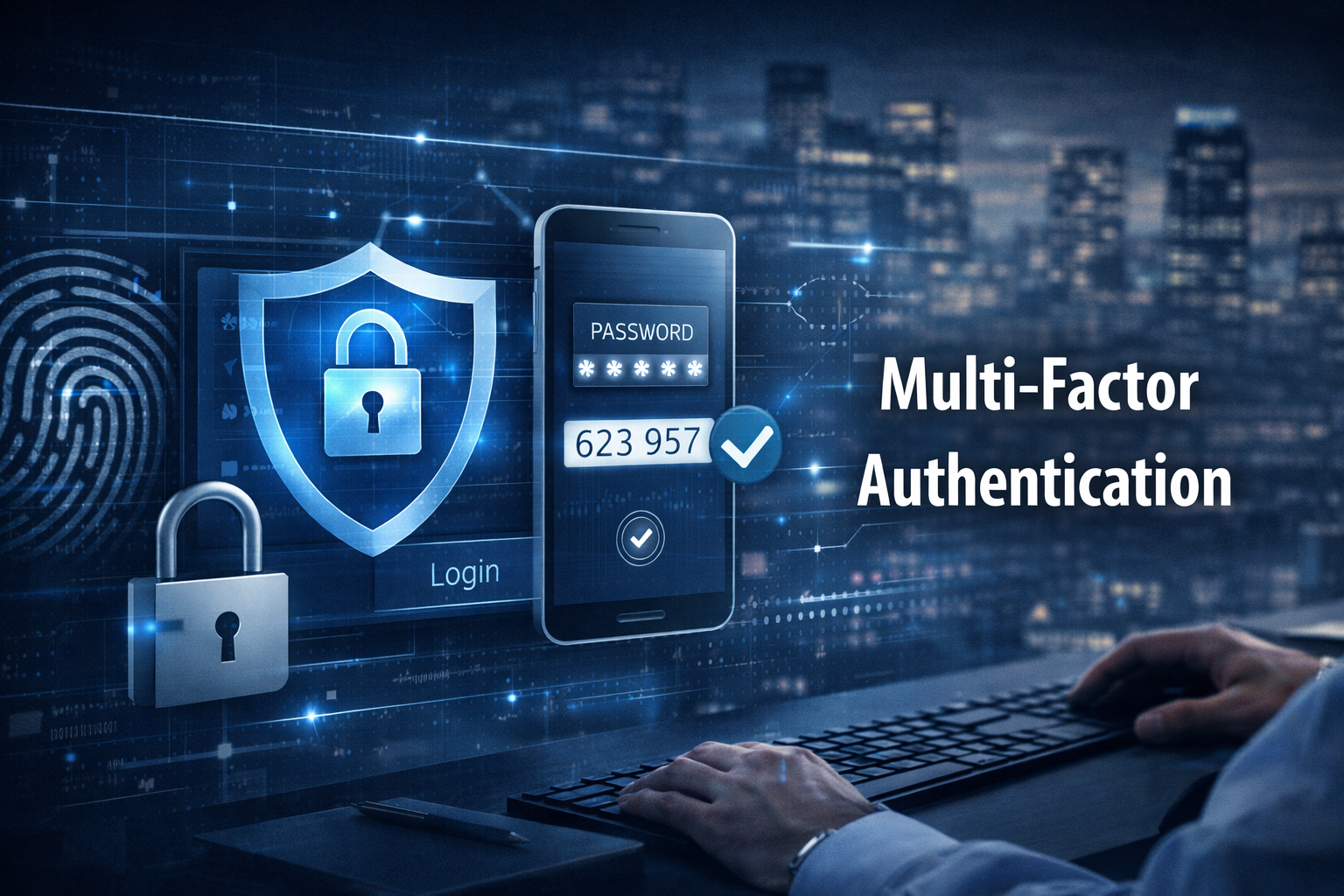
Passwords alone are no longer sufficient protection. Credential theft remains one of the most common attack methods, and stolen passwords are easily reused across systems.
Multi-factor authentication adds a critical second layer. Even if credentials are compromised, unauthorized access is blocked. This drastically reduces successful breaches.
MFA should not be optional or limited to certain users. Consistent enforcement across the organization is essential for real protection.
Best practices:
- Mandatory MFA for all users
- Stronger policies for admins and executives
- Device-based verification for sensitive roles
3. Implement end-to-end email encryption
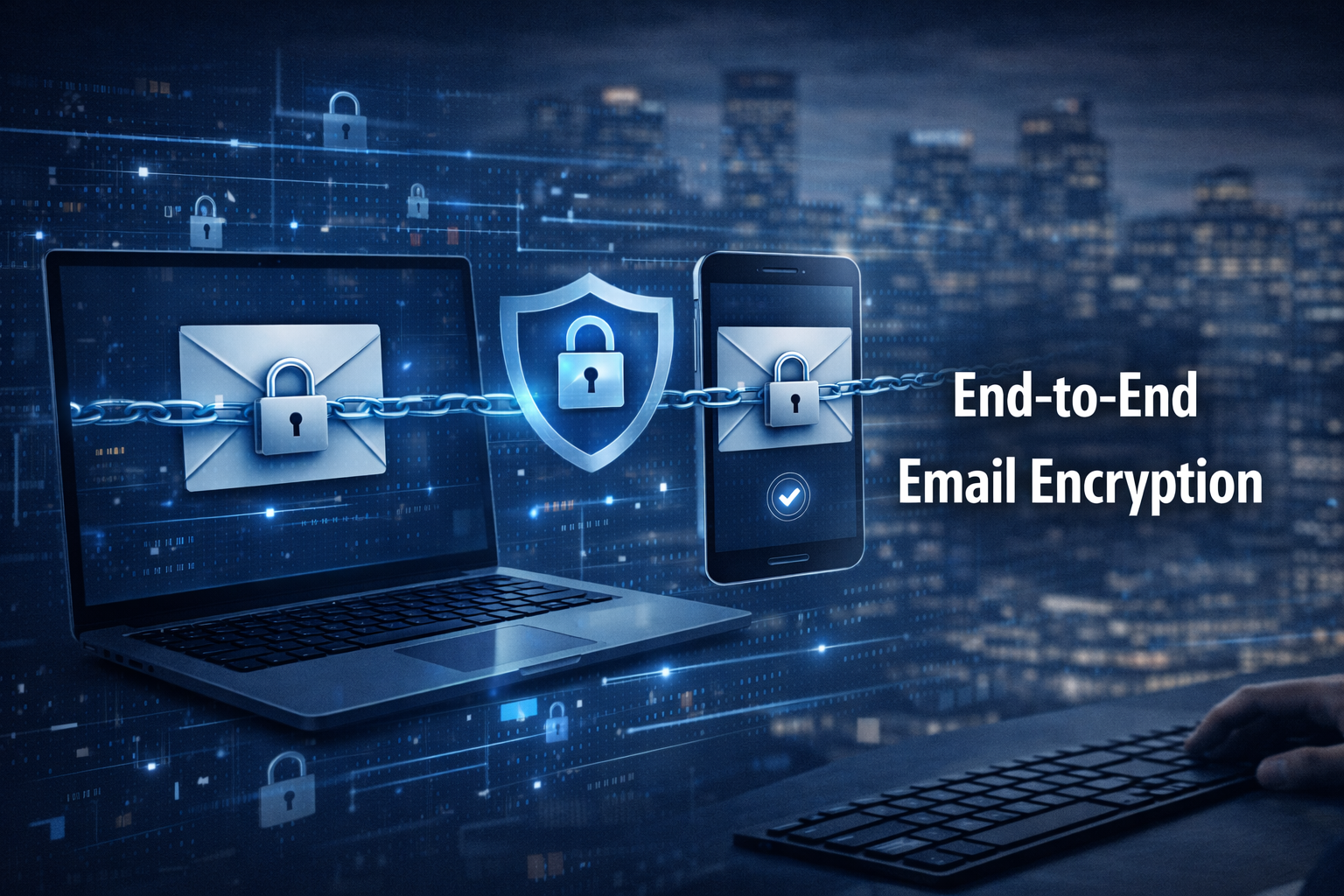
Sensitive business information flows through email every day. Without encryption, messages can be intercepted, read, or altered during transit or at rest.
End-to-end encryption ensures only intended recipients can access content. This protects confidentiality and maintains data integrity. It also helps meet regulatory and contractual requirements.
In 2026, encryption is no longer a premium feature—it’s a baseline expectation for enterprise email security.
Encryption benefits include:
- Protection against interception
- Secure external communication
- Reduced compliance risk
4. Segment access with role-based controls
Not all users need the same level of access. Treating every inbox equally creates unnecessary risk. A compromised low-level account shouldn’t expose executive or financial data.
Role-based access control limits what users can see and do. This reduces the blast radius of attacks and helps prevent internal misuse. It also simplifies compliance management.
Clear role definitions and consistent enforcement are key to making this approach effective.
Admins should be able to:
- Define roles clearly
- Restrict sensitive actions
- Monitor access behavior

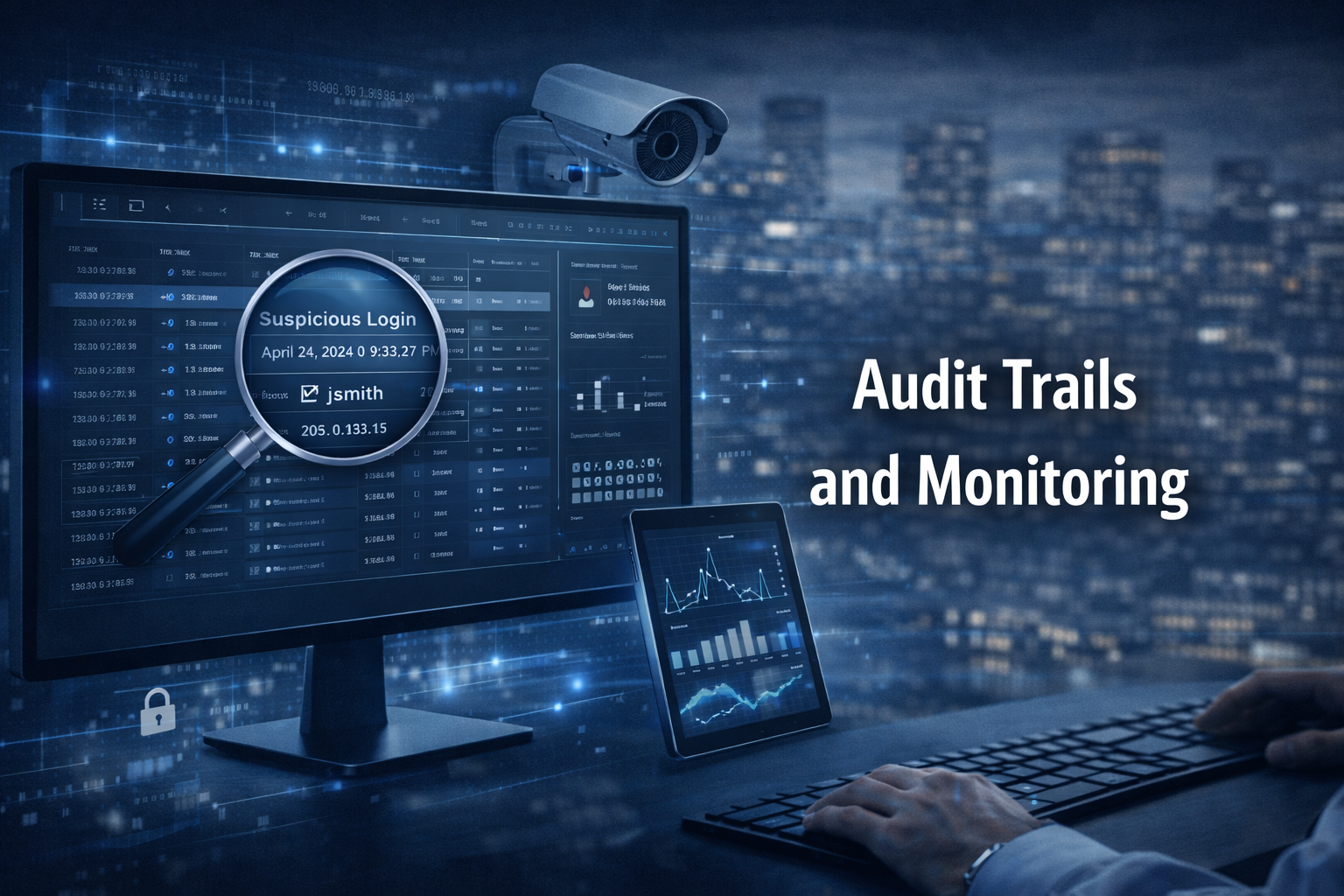
5. Maintain detailed audit trails and monitoring
Visibility is the foundation of security. Without logs and monitoring, incidents go undetected until damage is done. Audit trails provide insight into user activity and system behavior.
Detailed logs help security teams investigate incidents quickly and accurately. They also support compliance audits and internal reviews. Real-time alerts further reduce response time.
In 2026, email systems without proper monitoring are a liability, not a tool.
Audit trails help you:
- Track login activity
- Monitor message access
- Investigate incidents
- Prove compliance
6. Educate employees—but don’t rely on them alone
Employees play a crucial role in email security, but they cannot be the only defense. Even trained users can make mistakes under pressure or fatigue. Attackers exploit urgency and authority to bypass judgment.
Security awareness training should be continuous and practical. Simulated attacks help reinforce learning and reveal gaps. However, training must always be backed by technology.
Automation and detection systems catch what humans miss, creating a balanced defense.
Effective programs include:
- Regular phishing simulations
- Ongoing security training
- Automated threat blocking
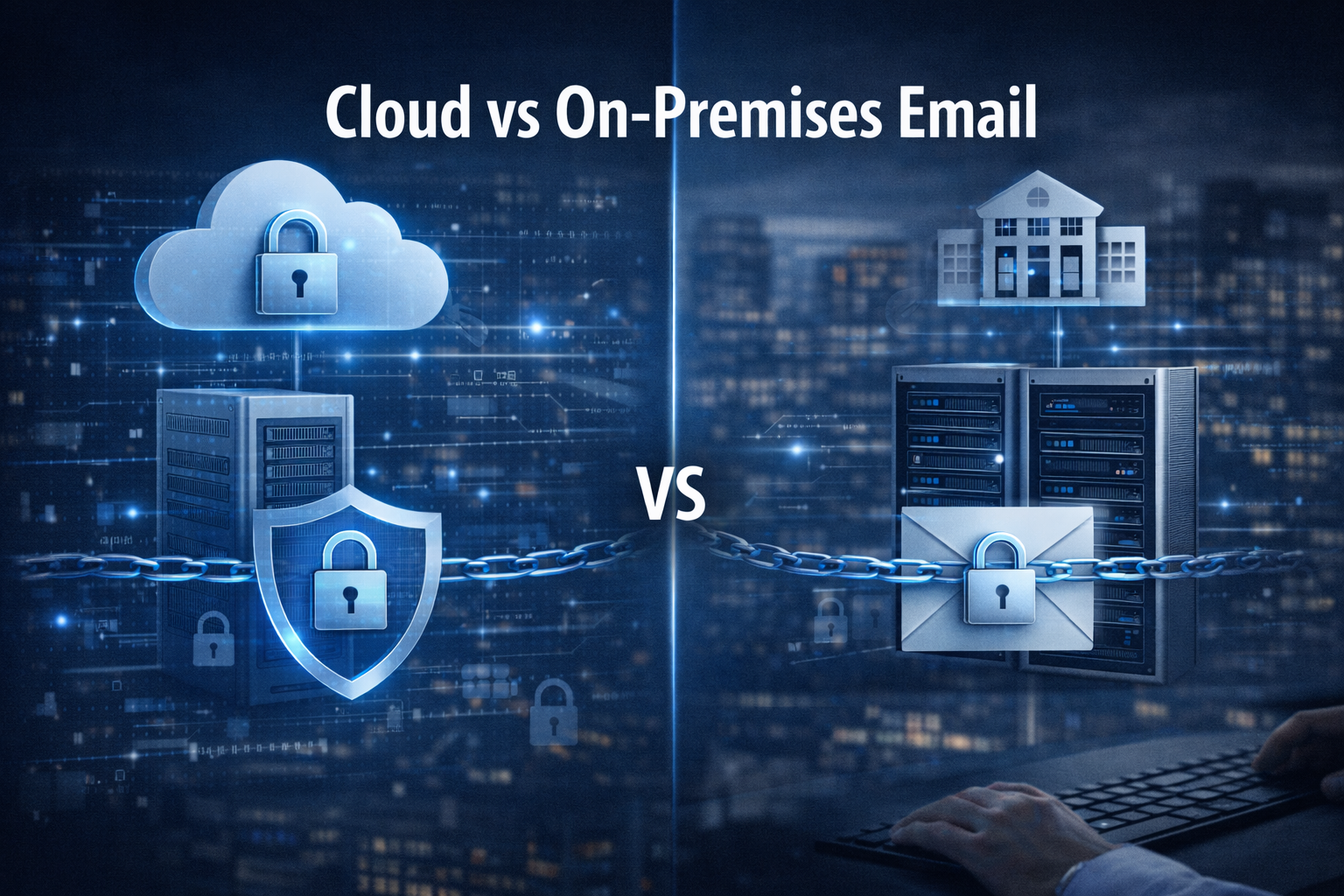
7. Decide between cloud vs on-premises email—strategically
Some enterprises still require on-premises email due to regulatory or data residency requirements. Others prefer private or hybrid cloud models for flexibility and scalability. There is no one-size-fits-all answer.
The decision should be driven by security, compliance, and operational needs—not trends. Each model has strengths and risks that must be evaluated carefully.
What matters most is control, visibility, and the ability to enforce security policies consistently.
Key decision factors:
- Regulatory requirements
- Data residency needs
- Internal IT capabilities
- Risk tolerance
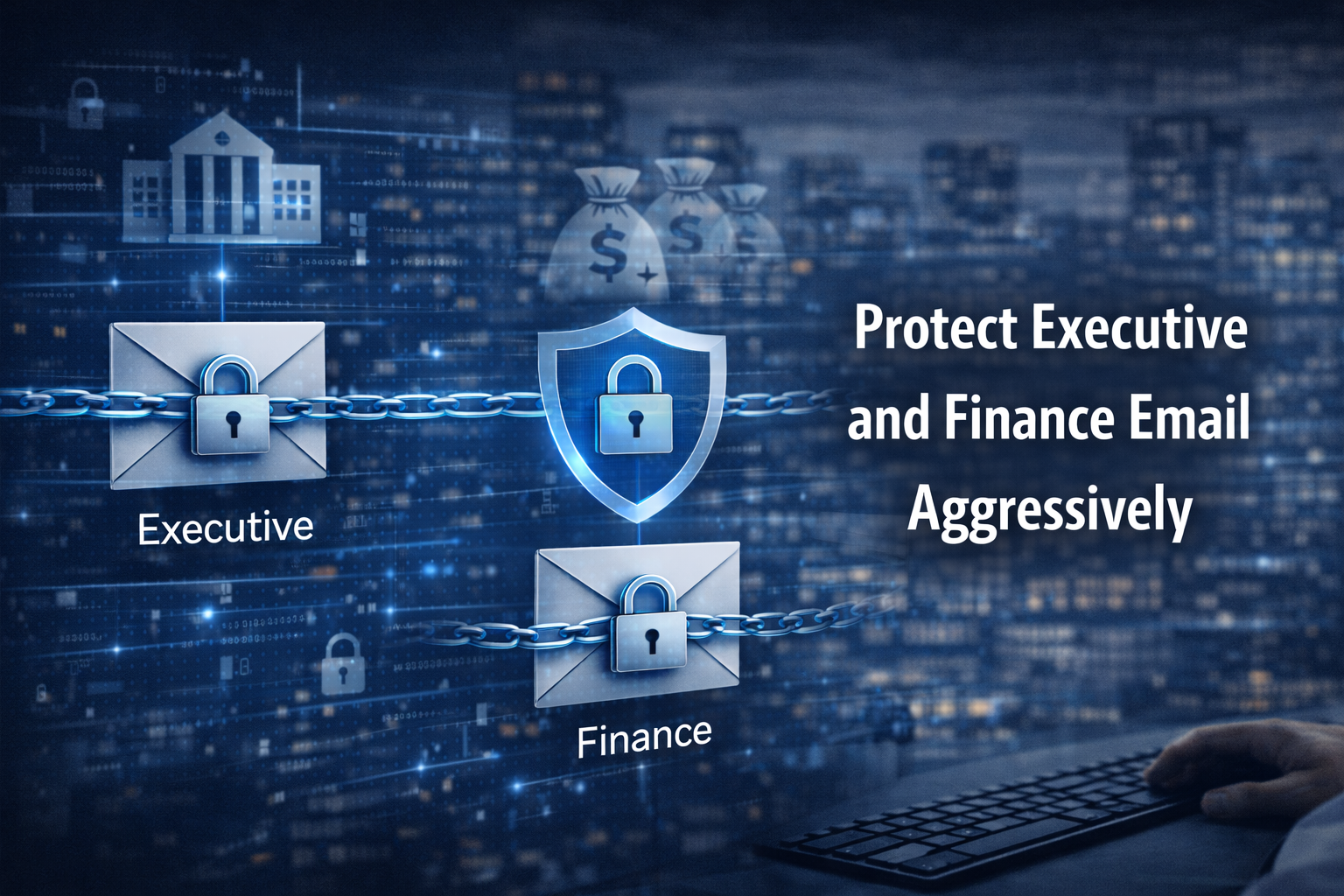
8. Protect executive and finance email aggressively
High-value targets deserve extra protection. Executives and finance teams are prime targets for impersonation and fraud. A single successful attack can result in massive financial loss.
Advanced protections should be applied to these accounts by default. This includes stricter rules, enhanced monitoring, and additional verification steps.
In 2026, executive email protection is not optional—it’s essential.
Extra protection should include:
- Advanced phishing detection
- Restricted forwarding rules
- Approval workflows for sensitive actions
How Enterprise Email Security Drives Real Business Value
Strong email security does more than prevent attacks. It enables confidence. Teams communicate faster when they trust the system. Leaders make decisions without fear of leaks or fraud.
A secure business email solution reduces downtime, lowers incident response costs, and protects brand reputation. Over time, it becomes a competitive advantage rather than an expense.
Security done right supports growth instead of slowing it down.
Common Mistakes Enterprises Still Make
Many organizations still underestimate email risk. They rely on outdated tools, delay upgrades, or assume “nothing has happened yet.” These assumptions often lead to costly surprises.
Security failures are rarely sudden—they build quietly over time. Avoiding common mistakes is just as important as adopting best practices.
Avoid these errors:
- Treating email as “just IT infrastructure”
- Relying only on basic spam filters
- Ignoring audit and compliance needs
- Overlooking insider risk
- Delaying upgrades due to “no incidents yet”
What To Look For In A Modern Enterprise Communication Tool
Email does not exist in isolation anymore. It’s part of a broader enterprise communication ecosystem. The right tools simplify security instead of complicating it.
A modern solution should provide centralized control, built-in protection, and compliance readiness. It should scale with your business without increasing risk.
Security should feel effortless, not overwhelming.
Your platform should:
- Secure email by default
- Offer centralized admin control
- Support compliance requirements
- Scale with your organization
- Reduce dependency on third-party add-ons
Final thoughts:
In 2026, enterprise email security is no longer a technical checkbox. It’s a strategic decision that affects operations, trust, and growth. The inbox remains the most targeted—and most trusted—business channel.
Organizations that adopt modern, proactive security practices will stay resilient. Those that delay will face increasing risk and cost. The choice is clear.