
Enterprise Email Security in 2026: Proven Best Practices for Modern Businesses
January 19, 2026
Digital Sovereignty Challenges in a Cloud-First World
February 2, 2026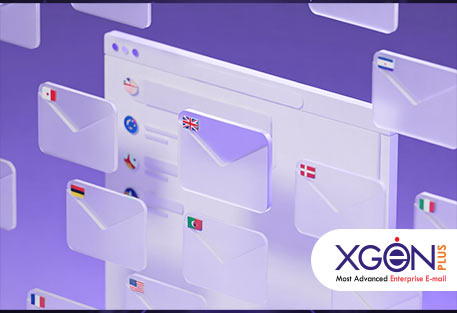
Why Multilingual Emails Matter in Internal Communication
January 26, 2026
Introduction:
Internal communication keeps organizations aligned, productive, and resilient. Every policy update, leadership message, security alert, or operational instruction depends on how clearly it is communicated. Yet, many businesses still rely on a single language to communicate with teams that speak many. This creates a silent gap. Employees may read the message, but not fully absorb it. Nuances get lost. Confidence drops. Responses slow down. Over time, these small gaps turn into large inefficiencies.
In today’s global and diverse workplaces, multilingual emails are no longer optional. They are essential for effective internal communication, reliable business email communication, and inclusive workplace communication.
The Language Gap Inside Modern Organizations
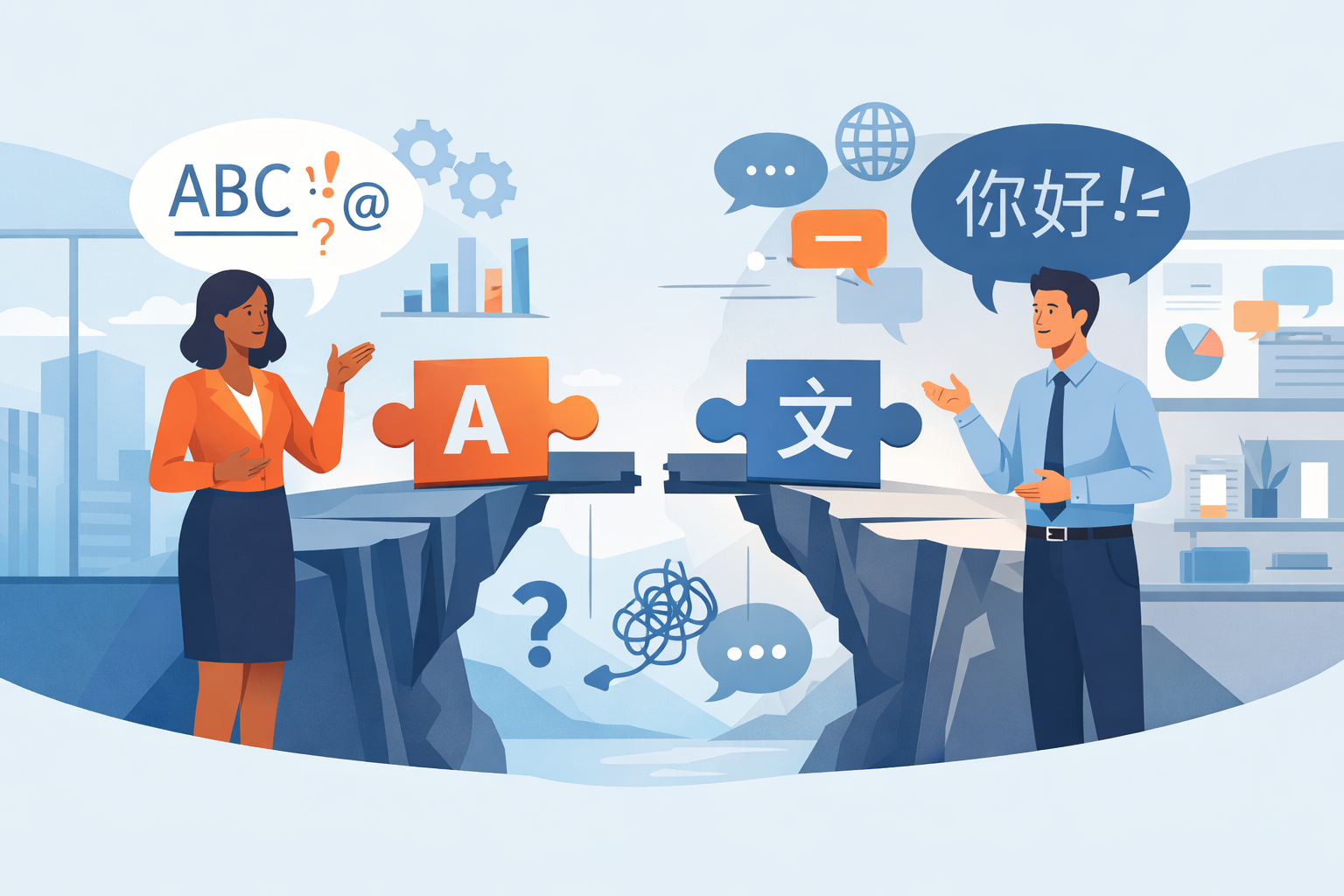
Modern organizations operate across countries, cultures, and linguistic backgrounds. Teams collaborate globally, but communication strategies often lag behind this reality. When internal emails are written in a single dominant language, many employees are forced to operate outside their language comfort zone. This doesn’t always lead to visible failures, but it creates friction that affects clarity and speed.
The result is slower execution, repeated clarifications, and disengagement that rarely gets reported but deeply affects performance. Addressing this gap starts with acknowledging that language accessibility matters.
Why Multilingual Emails Are a Business Necessity
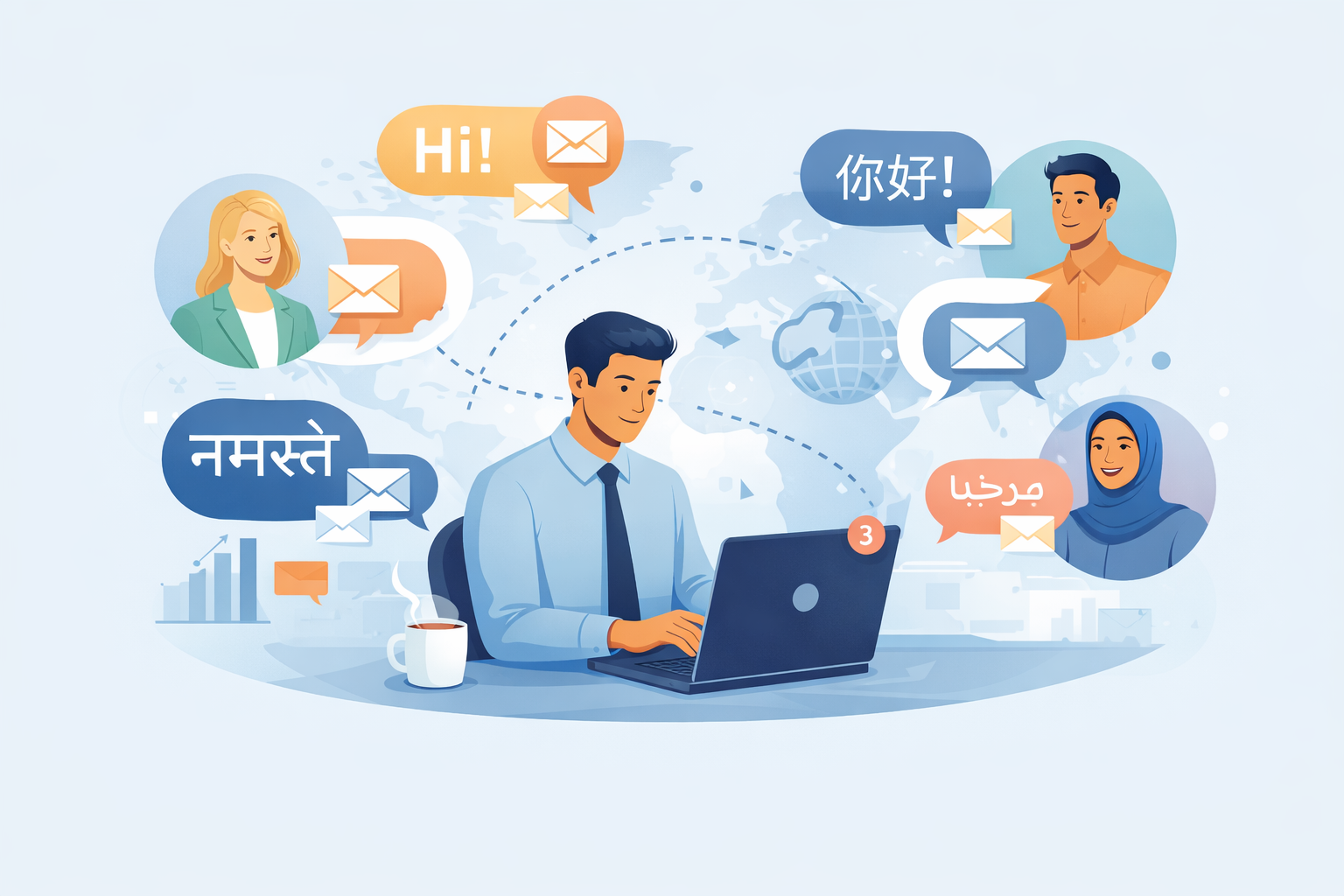
Internal communication does not succeed when emails are sent. It succeeds when messages are understood and acted upon correctly. Multilingual emails ensure that employees receive information in a language they can process confidently. This becomes especially important for critical communication where misinterpretation can cause delays or errors. Clear understanding leads to faster execution and better alignment across teams.
Multilingual emails transform communication from one-way messaging into shared understanding.
- Policy updates
- Compliance notices
- HR communications
- Security alerts
- Leadership messages
Multilingual Emails Build Inclusion, Not Just Efficiency
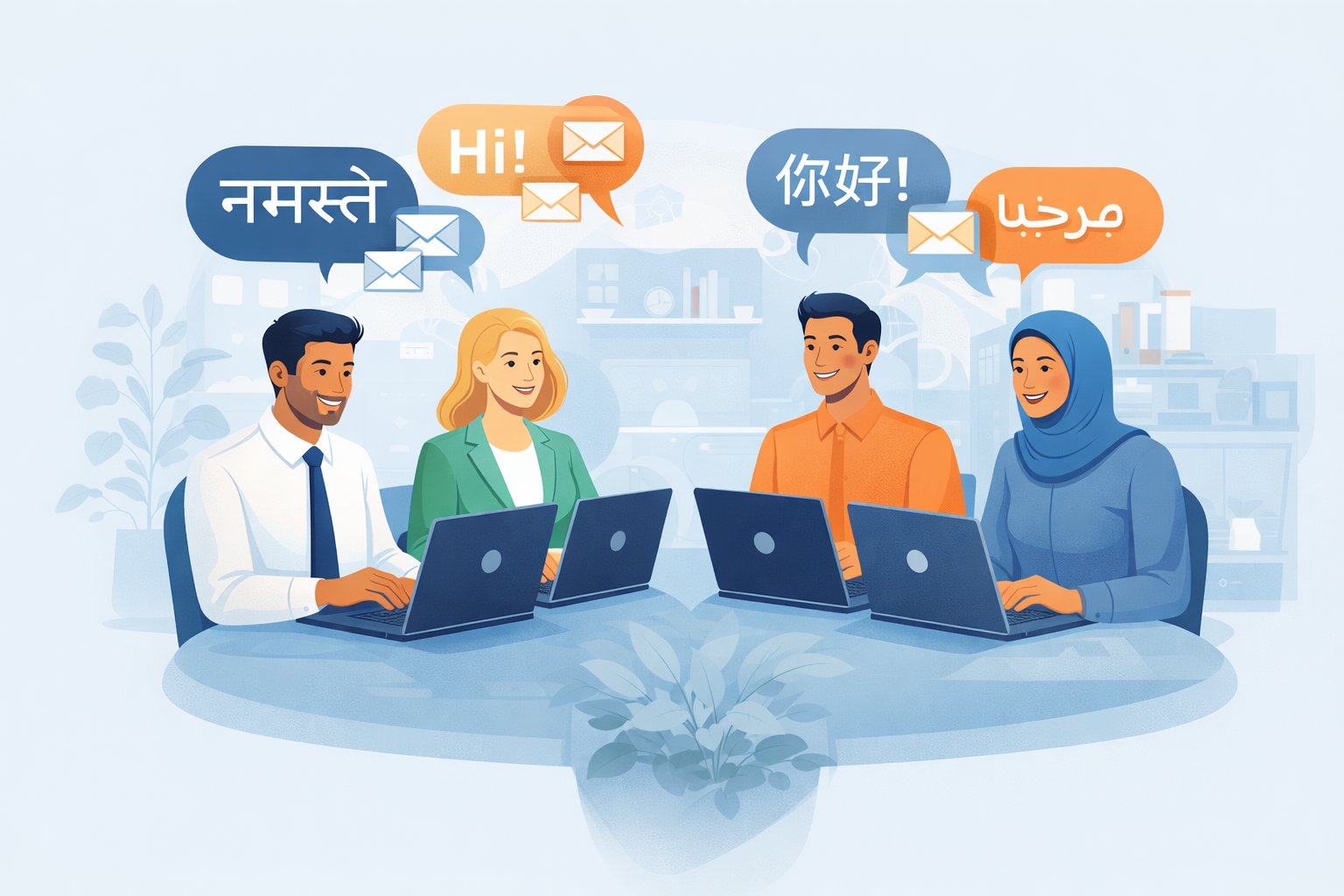
Language is deeply tied to identity and belonging. When organizations communicate only in one language, they unintentionally exclude parts of their workforce. Multilingual internal communication makes employees feel seen and respected. It signals that the organization values clarity, not convenience, and inclusion, not assumptions.
This has a direct impact on engagement, trust, and long-term retention outcomes that matter in every professional environment.
- Higher employee engagement
- Improved morale
- Stronger sense of belonging
- Better retention rates
Better Email Clarity Means Fewer Mistakes
Misunderstood instructions are one of the most common causes of internal errors. When employees are unsure about what an email means, they either delay action or take incorrect action. Multilingual emails reduce ambiguity and ensure that instructions are clear the first time. This minimizes rework and saves valuable time across teams.
Clarity in language directly translates into operational accuracy.
- Reduced errors
- Fewer clarification emails
- Lower managerial intervention
The Role of Multilingual Emails in Business Email Communication
Email remains the most trusted channel for formal internal communication. It provides structure, documentation, and accountability that other tools often lack.
When multilingual support is integrated into business email communication , organizations ensure that important messages reach every employee with the same clarity and intent. This consistency is critical for internal alignment.
Multilingual emails strengthen email as a reliable, inclusive communication channel.
- Formal and documented communication
- Secure internal messaging
- Scalable across teams
- Consistent delivery

Multilingual Emails Improve Leadership Communication
Leadership communication shapes direction, culture, and confidence. If leadership messages are not clearly understood, alignment breaks down across the organization. Multilingual emails allow leaders to communicate vision, strategy, and priorities without dilution. Employees across regions receive the same message in a language they understand.
Clear leadership communication builds trust, credibility, and shared purpose.
- Clear strategic alignment
- Consistent leadership messaging
- Stronger organizational trust
The Productivity Impact of Language Accessibility
When employees work in a language they are not fully comfortable with, cognitive load increases. Reading takes longer. Responses slow down. Decision-making becomes harder. Multilingual emails reduce this friction by allowing employees to process information naturally. This leads to faster responses and better-quality outcomes.
Small improvements in clarity compound into significant productivity gains over time.
- Faster response times
- Reduced reading fatigue
- Improved decision-making

Why Multilingual Internal Communication Matters for Compliance & Security
Certain internal emails carry legal, regulatory, or security implications. If these messages are misunderstood, organizations face unnecessary risk. Multilingual internal communication ensures that all employees clearly understand compliance requirements and security guidelines, regardless of language preference.
This reduces accidental violations and strengthens organizational resilience.
- Data protection policies
- Security alerts
- Legal updates
- IT and access guidelines

How XgenPlus Supports Multilingual Emails
XgenPlus is built for organizations that operate across languages, regions, and cultures. Multilingual communication is not treated as an add-on, but as a core capability of its enterprise email solution . By supporting global email standards, XgenPlus ensures that multilingual internal communication works reliably, securely, and at scale.
IDN and EAI Compatibility
XgenPlus supports Internationalized Domain Names (IDN) and Email Address Internationalization (EAI), enabling email addresses that use native-language characters rather than being limited to English alphabets.
This allows organizations to:
- Create email addresses in local scripts
- Support non-English usernames and domains
- Improve identity recognition across regions
- Remove language barriers at the email identity level
Employees can use email addresses that reflect their language and culture, without technical limitations.
Universal Acceptance (UA)
Universal Acceptance (UA) ensures that all valid email addresses and domain names, including multilingual ones, work seamlessly across systems and applications.
With UA support, XgenPlus ensures:
- Multilingual email addresses are accepted everywhere
- No delivery failures due to language limitations
- Compatibility across internal tools and platforms
- Consistent communication without technical friction
This guarantees that multilingual emails are not only created but also reliably delivered and received.
Built for Global Internal Communication
By combining IDN, EAI Compatibility , and Universal Acceptance, XgenPlus enables truly inclusive multilingual internal communication. Organizations can scale globally without worrying about language-based email failures.
- Enterprise-grade security
- Standards-compliant architecture
- Scalable multilingual support
- Built for distributed teams
How Multilingual Emails Strengthen Workplace Communication Culture
Workplace culture is shaped by daily communication. Internal emails play a major role in how inclusive and transparent an organization feels. When employees consistently receive communication they fully understand, collaboration improves naturally. Questions decrease, confidence increases, and teams engage more openly.
Multilingual emails help build a culture based on respect, clarity, and shared understanding.
- Stronger collaboration
- Transparent communication
- Shared accountability

The Future of Internal Communication Is Multilingual
The workplace is becoming more global, remote, and diverse every year. Internal communication strategies must evolve to keep pace. Multilingual emails will soon become a baseline expectation, not a differentiator. Organizations that adopt this early will communicate faster, operate more efficiently, and retain talent longer.
Language accessibility is becoming a defining element of modern internal communication.

Final Thoughts:
Multilingual emails are more than translated messages. They are a strategic investment in clarity, inclusion, and performance. Effective internal communication depends on shared understanding. In a diverse workforce, that understanding begins with language. Organizations that prioritize multilingual internal communication don’t just communicate better, they build stronger, more resilient teams.