
What Is S/MIME and Why Businesses Need Encrypted Email Communication
June 1, 2026
Email Migration in 2026: A Complete Email Migration Guide for Businesses
June 15, 2026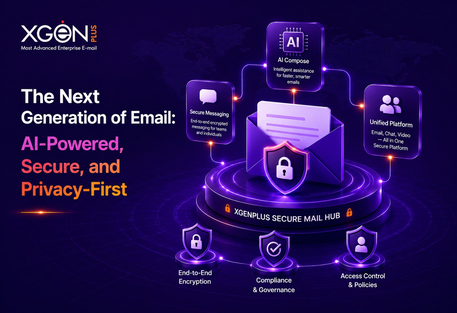
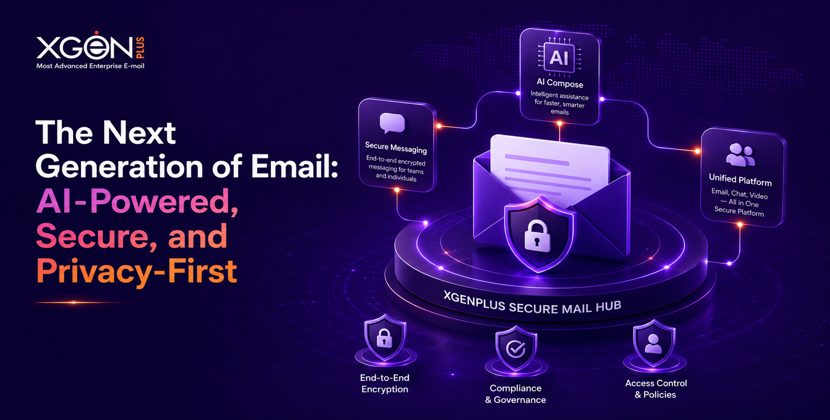
The Next Generation of Email: AI-Powered, Secure, and Privacy-First
June 8, 2026
Introduction
Email has remained the backbone of business communication for decades. Despite the rise of collaboration tools, instant messaging platforms, and workplace communication apps, email continues to be the most trusted channel for professional communication, customer interactions, and critical business operations.
However, the role of email is evolving rapidly. Businesses today face sophisticated cyber threats, stricter compliance requirements, and increasing concerns about data privacy and ownership. At the same time, organizations expect faster communication, better productivity, and seamless integration with their existing workflows.
The next generation of email is being shaped by Artificial Intelligence (AI), advanced security technologies, privacy-first infrastructure, and built-in compliance capabilities. As organizations modernize their communication infrastructure, the demand for secure business email solutions continues to grow. Businesses are increasingly looking for platforms that combine productivity, security, compliance, and privacy in a single solution.
In this article, we'll explore how email is evolving and the key trends that will define the future of business communication.
AI Will Transform How We Manage Email
Artificial Intelligence is revolutionizing how employees interact with email. Instead of manually sorting messages, searching through long email threads, and drafting repetitive responses, users can leverage AI-powered tools to automate routine tasks and improve productivity.
As AI technology continues to mature, email platforms will become smarter and more context-aware. They will help users prioritize important messages, summarize lengthy conversations, suggest responses, and automate workflows. These capabilities will enable teams to spend less time managing inboxes and more time focusing on strategic business activities.
Key AI-Driven Capabilities
- Smart replies and response suggestions
- Automatic email categorization
- Intelligent search and information retrieval
- Email summarization for long conversations
- Predictive scheduling and workflow automation
Security Will Become the Foundation of Business Email
Email remains one of the most common entry points for cyberattacks. Phishing campaigns, ransomware attacks, credential theft, and business email compromise (BEC) incidents continue to increase in sophistication. As cybercriminals become more advanced, traditional email security measures are no longer sufficient.
The next generation of email platforms will be built with security at their core. Businesses will expect intelligent protection that proactively detects threats, prevents unauthorized access, and safeguards sensitive communications. Security will no longer be an optional add-on—it will be a fundamental requirement.
Modern email security also goes beyond spam filtering. Organizations must implement technologies such as email encryption to protect confidential communications and prevent sensitive business data from being intercepted during transmission. Encryption is becoming a standard requirement for businesses that prioritize security and trust.
Future Email Security Features
- AI-powered threat detection
- Advanced phishing protection
- End-to-end encryption
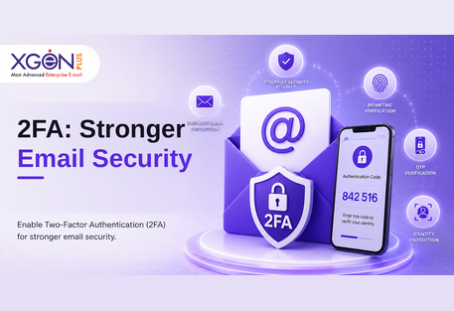
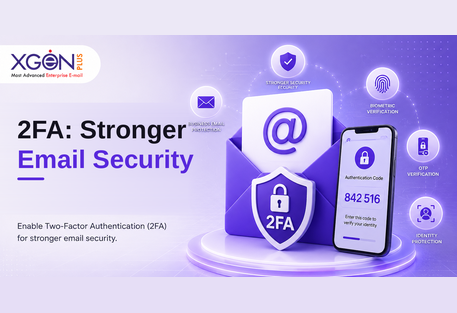
- Multi-factor authentication (MFA)
- Zero-trust security frameworks
- Continuous monitoring and threat intelligence
Privacy Will Drive Email Adoption Decisions
Privacy has become a major consideration for organizations when selecting technology solutions. Businesses want greater transparency regarding how their data is stored, processed, and accessed. Meanwhile, governments and regulatory bodies continue introducing stricter privacy regulations that require stronger data protection measures.
As privacy concerns grow, organizations will increasingly seek email solutions that prioritize user control, data ownership, and transparency. Privacy-first email platforms will provide enhanced visibility into data management practices while giving organizations greater control over their communication infrastructure.
Businesses operating in regulated industries often require additional protection mechanisms such as S/MIME certificates, which help verify sender identity and secure message content through advanced encryption and digital signatures. These technologies will play a significant role in future email ecosystems.
Privacy-Focused Email Capabilities
- Data sovereignty controls
- Local or regional data hosting
- User-controlled encryption keys
- Transparent data management policies
- Reduced reliance on third-party data processing
- Enhanced access controls
Compliance Will Be Built Into Every Email Platform
Compliance requirements are expanding across industries. Organizations must manage communication records, maintain audit trails, and protect sensitive information according to regulatory standards. Failure to comply can result in legal penalties, financial losses, and reputational damage.
Future email platforms will integrate compliance features directly into their architecture. Instead of relying on multiple third-party tools, businesses will expect email systems to simplify governance while helping them meet industry regulations and internal policy requirements.
Compliance-focused organizations increasingly rely on email archiving solutions to preserve communication records, support audits, and meet regulatory retention requirements. These capabilities are becoming essential components of modern business email platforms.
Healthcare organizations face unique compliance challenges and often require HIPAA-compliant email solutions to protect patient information and maintain regulatory compliance. Similar requirements are emerging across financial services, government agencies, and other highly regulated sectors.
Essential Compliance Capabilities
- Email archiving
- Audit trails
- Data retention policies
- Legal hold functionality
- Compliance reporting
- Secure document sharing
Business Email Ownership Will Become More Important
Organizations are increasingly recognizing the importance of controlling their communication infrastructure. Business email contains valuable intellectual property, customer information, operational records, and sensitive business conversations. Relying entirely on external providers can create challenges related to data access, privacy, and long-term flexibility.
The next generation of email will emphasize greater ownership, control, and independence. Businesses will seek solutions that allow them to manage their domains, security policies, and communication data while maintaining compliance with industry regulations.
Organizations that invest in professional email infrastructure also benefit from stronger business email security, centralized administrative controls, and improved visibility across their communication environment. These advantages contribute to better governance and long-term operational resilience.
Benefits of Business Email Ownership
- Greater administrative control
- Improved brand credibility
- Enhanced security management
- Better compliance support
- Reduced vendor dependency
- Long-term operational flexibility
Email Will Become More Integrated With Business Workflows
Modern organizations rely on a variety of tools for communication, collaboration, project management, and productivity. As digital transformation continues, businesses expect these tools to work together seamlessly rather than operate in isolation.
Future email platforms will function as central communication hubs that integrate with calendars, collaboration software, document repositories, and workflow automation systems. This interconnected environment will help employees work more efficiently while reducing context switching and manual processes.
Emerging Integration Trends
- Workflow automation
- Shared mailboxes
- Integrated calendars
- Team collaboration tools
- Document management integration
- Unified communication platforms
AI and Security Will Work Together
While AI offers significant productivity benefits, it also introduces new security challenges. Cybercriminals are increasingly using AI to create convincing phishing emails, impersonation attempts, and sophisticated social engineering attacks that are difficult to detect using traditional security approaches.
To counter these evolving threats, organizations will rely on AI-powered security solutions that continuously analyze communication patterns and identify suspicious behavior. Machine learning and advanced threat intelligence will enable businesses to respond to risks more effectively and reduce the likelihood of successful attacks.
AI-Powered Security Advantages
- Behavioral analysis
- Real-time threat detection
- Automated incident response
- Fraud prevention
- Identity verification
- Risk-based access controls
What Businesses Should Do Today
The future of email is already taking shape, and organizations must begin preparing now. Businesses that delay modernization efforts may face increasing security risks, compliance challenges, and operational inefficiencies. Taking proactive measures today will help organizations stay competitive and resilient.
Leaders should evaluate their current communication infrastructure, identify potential vulnerabilities, and assess whether their email systems are prepared for future requirements. Investing in intelligent, secure, and privacy-focused email solutions can provide long-term benefits across the organization.
Email authentication protocols such as DMARC, SPF, and DKIM play a critical role in protecting domains from spoofing and phishing attacks. Implementing these standards improves email deliverability while strengthening trust in business communications.
Recommended Actions
- Strengthen email security policies
- Implement SPF, DKIM, and DMARC
- Adopt secure business email platforms
- Review data privacy requirements
- Invest in employee cybersecurity awareness
- Evaluate AI-powered email capabilities
Why XgenPlus Is Ready for the Next Generation of Email
The future of email requires more than just a mailbox. Organizations need a platform that combines security, privacy, compliance, and intelligent communication capabilities. XgenPlus is designed to address these evolving business requirements while giving organizations greater control over their communication infrastructure.
With features such as secure business email, advanced email encryption, support for S/MIME certificates, integrated email archiving, and robust business email security, XgenPlus helps organizations build a future-ready communication environment. The platform is designed to support modern compliance requirements while enabling secure and efficient communication.
Organizations looking to strengthen governance can also benefit from centralized email management, which simplifies administration, policy enforcement, and security oversight. By combining enterprise-grade protection with privacy-focused architecture, XgenPlus provides businesses with a strong foundation for future communication needs.
Whether your goal is improving security, enhancing compliance, protecting sensitive data, or reducing dependence on foreign email providers, XgenPlus offers a comprehensive enterprise email solution built for the demands of the modern workplace.
Conclusion
Email is not disappearing anytime soon. Instead, it is evolving into a smarter, more secure, and more privacy-focused communication platform. Advances in AI, cybersecurity, compliance, and data protection will continue to transform how organizations communicate and collaborate in the years ahead.
Businesses that embrace these innovations will gain stronger security, improved operational efficiency, and greater control over their communication infrastructure. The organizations that prepare today will be better positioned to navigate future challenges while taking advantage of new opportunities.
The next generation of email is already here. The question is whether your organization is ready for it.